Legislative Lowdown: The halfway mark is here!

We’ve officially reached the halfway mark of the 2025 legislative session — the point when bills cross over from one house to another — and the landscape continues to shift.

Last week, a number of WOC’s priority bills advanced, while some bills we’ve opposed from the start met their end. Meanwhile, several bad bills related to public lands are up against tight deadlines to move forward. Read on for updates and opportunities for action!

HELP US REJECT SJ2 — AGAIN!

Senate Joint Resolution 2 is bad news: In demanding that public lands be turned over to the state, it threatens the system for managing Wyoming’s abundant public lands and urges Congress to take dangerous actions. (It also runs counter to Wyoming’s Act of Admission and various state laws.) Last week, SJ2 failed its initial vote in the Senate. Then, in one of the most dramatic moments of this session, it was called for a reconsideration vote … and this time, the vote narrowly passed, 16–15.

In the wake of this astonishing vote, we need you to ask your senator to oppose SJ2 as it is considered again as early as today. Sending a message takes just a few moments — help keep public lands in public hands by taking action at the button below!

UPDATE! We’re pleased to share that on Monday, February 10, SJ2 failed its third reading vote in the Senate!

SF105: ANOTHER THREAT TO PUBLIC LANDS

Senate File 105 would require legislative approval of private property sales to the federal government — potentially infringing on private property rights and even blocking land sales that create new public access for recreation or protect important wildlife and conservation values.

SF105 passed out of committee last week on a 4–1 vote. Now it’s on a tight timeline to make it out of the Senate. As with SJ2, we need your help to oppose threats to Wyoming’s public lands. Take action now and ask your senator to vote ‘NO’ on this bad bill!

BIG WINS FOR ROOFTOP SOLAR

Last week brought great news for rooftop solar! For the first time since Wyoming passed its net metering law in 2001, we have legislation, House Bill 183, that would promote local small-scale renewable energy around the state. We also cheered when Senate File 111, a bad bill that would harm rooftop solar, died in the Senate in a 17–14 vote.

If you spoke up on either of these bills, thank you! The coming days and weeks will offer more opportunities: As HB183 crosses over to the Senate, we’ll need your help to get it to the finish line. If you’ve ever wished that your child’s school, local city hall, or center pivot could utilize local solar energy — HB183 is the bill that would make this a reality! We’ll let you know when it’s time to speak up.

FIRE RESTORATION FUNDING IN JEOPARDY

The debate over fully funding wildfire restoration versus shortchanging Wyoming’s people and rangelands continued last week. There are two ways this vital funding could be allocated: through the supplemental budget or via Senate File 148, a backup bill awaiting assignment to a House committee. While we watch and hope for the latter, the House and Senate have been negotiating how much to allocate in the supplemental budget and whether to deliver it as grants or loans.

Wildfire restoration is a critical investment in Wyoming’s people, wildlife, and rural economies. For an informed perspective on the issue, read this op-ed. Then, take action! Let your local representative know you support funding for restoration work on lands devastated by wildfire. (Also, if you have friends in a part of the state impacted by wildfires last year, please spread the word.)

A GOOD WEEK FOR GAME & FISH

Sometimes, legislators try to override the expertise and authority of trained biologists by dictating how species should be managed. That was the case with two problematic bills — but fortunately, both were soundly defeated last week.

Senate File 170 would have prohibited Game and Fish from monitoring grizzly bear populations and upended years of work invested in this species. House Bill 286 was even more brazen and would have mandated a statewide open season on mountain lions, with unlimited harvest. This would prevent biologists from managing for sustainable lion populations and open the door for legislators to meddle in the management of other species. Read more on the defeat of this bill here.

Thanks for your engagement over these last few weeks. We know you’ve been hearing from us a lot, but your actions truly are making a difference! Though many of the worst bills of this session have died, there are important deadlines coming up later this week. Watch out for alerts from us, and keep speaking up on the issues you care most about.

Want to stay in the loop on important legislation and opportunities to take action? Sign up for our legislative emails!

Image: Meghan Riley
Legislative Lowdown: A huge week for nuclear waste storage, rooftop solar, and more

For WOC’s legislative team in Cheyenne, it was an exhausting (but exciting!) week. The power of public engagement was on clear display, and thanks to your participation, we saw some of our highest priority bills defeated.

Read on for the latest on nuclear waste storage, rooftop solar, public lands, and more — as well as what we’re anticipating in the week ahead.

NUCLEAR WASTE STORAGE BILL TABLED!

We’re pleased to share that House Bill 16 died last week when the House Minerals Committee voted to table it. The vote on the bill (which would have opened the door for Wyoming to be the country’s nuclear waste dump) came on the heels of overwhelming public pushback. One representative even commented, “I’ve got hundreds of emails, and not one is in support of the project or this idea.”

If you wrote to the committee and urged them to vote against HB16, thank you! It made a difference.

Although HB16 is off the table for now, it’s clear that Wyoming is moving toward policies that embrace nuclear energy. We will keep a watchful eye to ensure these decisions are not rushed, and that Wyoming citizens have a say as future discussions move forward.

PUBLIC LANDS TRANSFER RESOLUTION ADVANCES

Perhaps one of the most egregious actions we’ve followed at the legislature so far is the advancement of Senate Joint Resolution 2. This resolution would not create any law, but it demands that Congress hand over all federal public lands in Wyoming to the state.

Despite testimony from WOC and other organizations about the threats to public access and the massive negative economic implications of public lands transfer, the Senate Agriculture Committee voted 4–1 to advance SJ2.

TAKE ACTION: Now more than ever, we need you to tell legislators that public lands transfer is an affront to our way of life here in Wyoming. Send a message to your senator and tell them to vote ‘NO’ on SJ2.

A BATTLE OF TWO ROOFTOP SOLAR BILLS

For the first time since we’ve been working on rooftop solar and net metering as an issue, we have two opposing bills moving through the House and Senate.

Senate File 111, a bad bill that would hobble Wyomingites’ ability to participate in rooftop solar, passed the Senate Corporations Committee in a 4–1 vote and will move to the Senate floor this week. There’s better news on the House side: House Bill 183, a good bill that would expand the ability of non-residential customers to invest in rooftop solar, passed the House Minerals Committee unanimously.

TAKE ACTION: We could use your help in getting this good bill, HB183, to pass out of the House. If you want to see more rooftop solar in Wyoming now is the time you write your local representative to let them know that you support HB183 and rural energy independence. For suggested talking points, check out our fact sheet here.

LIMITED MINING OPERATIONS EXPANSION FAILS

House Bill 10, a problematic bill that would have greatly expanded the types of minerals to be exempt from permitting under the Limited Mining Operations category, failed to pass last week. As with HB16, public testimony played a key role in this positive outcome. Specifically, the Casper Mountain Preservation Alliance helped move legislators to oppose the bill. The collective voice of the public really can make a difference!

ONE STEP CLOSER TO TRAPPING REFORM

Following multiple accidents involving people’s pets, the Wyoming Game and Fish Department has been working hard to make trapping safer on public lands. One key reform that has remained elusive — the authority to mandate traps be set a certain distance away from trails — is finally closer to becoming a reality.

Thanks to the tireless work of citizen advocates, last week the Senate Travel, Recreation, Wildlife, and Cultural Resources Committee advanced Senate File 139, which would grant the Game and Fish Commission the authority to create setback distances for traps on public land, to the Senate Floor.

A PATH FORWARD FOR FIRE RESTORATION FUNDING

Gov. Gordon requested $130 million for restoration and invasive grass management in the wake of last year’s devastating wildfires in northeast Wyoming — a request that the Joint Appropriations Committee severely reduced two weeks ago. Fortunately, Senate File 148 offers something of an insurance policy against further attacks on this critical funding.

SF148, which advanced out of two legislative committees last week, would reinstate the full $130 million requested by the governor. With nearly one million acres burned and an army of cheatgrass, ventenata, and medusahead ready to spread much deeper into Wyoming, getting this money out the door quickly to stop this infestation is essential for rangelands and wildlife alike.

BEERS & BILLS

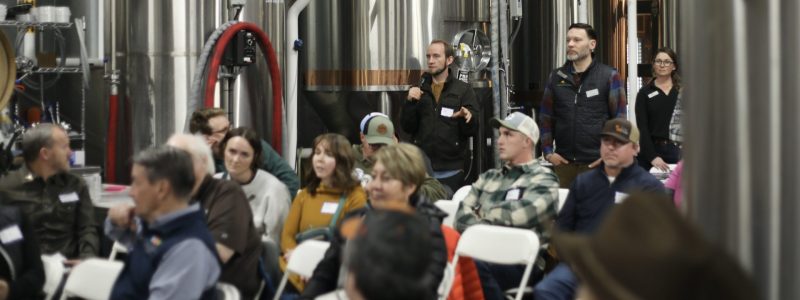
If you came to our Beers & Bills event last week (either in Cheyenne, or via our livestream), thanks for joining us! We enjoyed sharing about the session’s most important bills, and appreciated the chance to hear your priorities and concerns. If you missed us this time, stay tuned for more events like this in the future.

Believe it or not, the session’s halfway mark is in sight, with crossover from one chamber to another happening at the end of this week.

Even though some of the worst bills we’ve been following have been defeated (or have been improved), the stakes only get higher from here. There are fewer opportunities to stop bad bills, and generally, we only have a day or two’s notice before a bill will be in committee or on the floor for debate.

We’ll continue to let you know the best time to contact your legislators for each of these important bills. Thank you for using your voice to make a difference!

Want to stay in the loop on important legislation and opportunities to take action? Sign up for our legislative emails!

Image: Meghan Riley
Legislative Lowdown: Updates on rooftop solar, mining operations, and more

This post was originally published on January 24, 2025.

It’s been an eventful second week at the Capitol — and although this session feels slightly slower-paced than previous years, the need for citizen action is as urgent as ever. Now and in the coming week, we need your voice to protect our shared interests in Cheyenne!

Read on for key updates and ways you can help.

COMMITTEE WEIGHS ROOFTOP SOLAR BILL

This morning, the Senate Corporations Committee discussed Senate File 111, a bad bill that makes it harder for Wyomingites to invest in rooftop solar. The bill also gives utilities more control over how property owners are compensated for the electricity they generate using their own rooftop solar systems.

The committee was running behind schedule today and wasn’t able to hear all the public comment on this bill — so they’ll resume the discussion Monday morning. This gives us another chance to defend rooftop solar in Wyoming. If you haven’t yet, please take a few minutes to tell committee members why rooftop solar is important to you!

A big thank you to the many people who already took action. Together, we can protect Wyomingites’ energy independence!

Oh, and one final thing: SF111 is one of two bills related to rooftop solar that we’re tracking. Keep an eye out for updates on the other, HB183, as early as next week.

ANTI-PUBLIC LANDS BILL ADVANCES

House Bill 118, which would block future public lands acquisitions, passed the House of Representatives this week. This egregious bill would prevent the state from negotiating land exchanges that could benefit Wyoming’s education system, such as the Kelly Parcel sale. If passed, HB118 would even prevent private landowners from selling or donating their land to become public lands.

It’s clear that some legislators are dead set on preventing future public lands deals while also telling landowners who they can and can’t sell their property to. We won’t stand for it: As the bill moves to the Senate, we’ll be watching closely and calling on you to step up for public lands. Keep an eye out for alerts!

LMO BILL MOVES FORWARD

House Bill 10, which expands the types of minerals that are exempt from mine permitting, advanced through the House Minerals Committee this week. Though the bill has been improved, we’re still concerned about threats to land and water quality posed by the inclusion of hard rock minerals in Limited Mining Operations, or LMOs. The bill is also problematic for adjacent landowners — with LMOs, there are no opportunities for the public to weigh in on potential impacts, including noise disturbance, dust, and impacts on property values.

Despite testimony from concerned residents and conservation organizations, the committee passed the bill on an 8-1 vote. We’ll be monitoring this bill as it moves through the House and seeking opportunities to amend it to protect landowners and Wyoming communities.

WHITTLING AWAY AT WILDFIRE RELIEF

After last year’s catastrophic wildfires that decimated northeast Wyoming rangelands, Gov. Gordon requested $130 million in his supplemental budget for restoration, invasive grass management, and support for affected communities. Unfortunately, this week the Joint Appropriations Committee slashed $30 million from this request and moved to make these funds available only as loans.

This shortsighted amendment hurts Wyoming’s wildlife and people and we’ll do what we can to fight back against these cuts. Read more here. If you’re in eastern Wyoming, you can hear directly from the governor about the urgent need for wildfire restoration at one of three public meetings in Gillette, Sheridan, and Wheatland on Monday, January 27.

VITAL FUNDING CLEARS COMMITTEE

Every year, the Wyoming Wildlife and Natural Resources Trust helps fund exceptional projects across the state to improve watershed heath, shore up wildlife habitat, and benefit communities. This year, WWNRT is seeking legislative approval for 11 projects that would combat cheatgrass, restore rangelands and rivers, and build wildlife crossing structures.

The bill concerning these projects, Senate File 88, passed its first hurdle yesterday, with the Senate Travel, Wildlife, Recreation, and Cultural Resources Committee voting unanimously in favor. The next stop for this bill is the Joint Appropriations Committee.

Monday will mark the session’s third week, which means we’re in the thick of it! Our legislative team will continue sharing updates and keeping you informed about opportunities for action. Keep an eye out for more, and as always — let us know if you have questions. We’re always here for a conversation.

Want to stay in the loop on important legislation and opportunities to take action? Sign up for our legislative emails!

Image: Meghan Riley
Legislative Lowdown: The bills are stacking up!

The 2025 General Session is off to an exciting, fast-paced start, and bills are stacking up quickly. We’re keeping an eye on legislation that would impact private property, nuclear waste, rooftop solar, and other conservation priorities in Wyoming — read on for key updates!

HB118 attacks future land exchanges

HB118 would effectively restrict any land exchanges or conveyances that increase the amount of federal public lands. Even worse, it would potentially prevent private landowners from selling their land for conservation purposes or public access — and stymie deals that often result in huge benefits to the state, such as the Kelly Parcel.

Last week, the bill easily passed the House Agriculture Committee. Read more about our concerns around this bad bill on our blog, and keep an eye on your email for action alerts!

Say “No” to Nuclear Waste Storage

We’re keeping a close watch on HB16, a worrisome bill about nuclear waste storage, as it moves towards a House Committee. This bill redefines “high-level nuclear waste” to exclude “spent nuclear fuel” from its definition in order to streamline a process for bringing hazardous waste from the country’s commercial nuclear reactors to Wyoming. Once this bill is assigned to a committee, we’ll need your help to speak against this bad idea — again! Keep an eye on your email for action alerts, and find more information about this troubling bill here.

On our latest blog, Big Wind Carpenter, WOC tribal engagement coordinator, outlines the long-term stakes of nuclear waste storage with a personal story about growing up in the shadow of the uranium industry. Read it here!

Rooftop Solar: Two (very different) bills

We are tracking two bills that promote very different visions for the future of rooftop solar in Wyoming. The first, SF111- Net metering revisions is the latest legislative attack on energy independence and rooftop solar. It continues a saga of uncertainty for rooftop solar customers — and is simply not needed given the tiny amount of rooftop solar and backyard wind in the state.

The second, HB183 – Net metering amendments is actually a good bill that would promote rooftop solar and help more ranchers, schools, and local governments take advantage of the sun to lower rising utility bills. Check out our factsheets for these two very different bills at the links above. We’ll keep you updated as they head to committee in the coming days or weeks.

Keeping Game & Fish’s budget healthy

To avoid a looming budget crunch, SF99 seeks to give the Wyoming Game and Fish Department a financial boost. By exempting a subset of Game and Fish properties from taxation, the bill could save the agency upwards of half a million dollars annually and put those dollars to work on behalf of Wyoming’s wildlife and people.

We testified in support of this bill last Thursday and are happy to report the Senate Travel, Wildlife, Recreation, and Cultural Resources Committee voted unanimously to advance it. Next up, Senate Appropriations. Stay tuned!

Upcoming: BEERS & BILLS

Join us January 30 at Black Tooth Brewing in Cheyenne (or via Zoom!) for a lively panel discussion with experts on the session’s most important topics.

If you’re curious about what to expect during the session or want to get more involved, this is an event not to miss. Doors open at 5 p.m., and the panel discussion (and livestream) begins at 5:30. This event is free and open to the public, but your RSVP will help us plan.

As we work to understand the many bills and priorities of this new legislature, we want to thank you for your support and engagement. The core values that have always guided us — clean air, clean water, and support for our public lands and wildlife — ring just as true today as they did nearly 60 years ago when we first entered the debate in Cheyenne.

This can be challenging work, but we are here for the fight. We couldn’t do it without support from people like you! Stay tuned for opportunities to leverage your voice to make an impact.

Want to stay in the loop on important legislation and opportunities to take action? Sign up for our legislative emails!

Image: Meghan Riley
House Bill 118 attacks future public lands access and landowner rights

The sale of the beloved Kelly Parcel, the former state section that has now been successfully incorporated into Grand Teton National Park, represented a win-win for wildlife and state trust beneficiaries. The $100 million generated from the sale will benefit Wyoming’s education system for decades to come. Unfortunately, some legislators are dead-set on preventing future deals with the federal government that could result in huge sources of revenue to the state — and also infringe on private property rights.

HB118 flew through the House Agriculture committee last week on an 8-1 vote, and without much debate, before passing the House Committee of the Whole shortly thereafter. The bill would essentially limit any land exchanges or conveyances that would result in a net gain of federal public lands. Even worse, the bill would potentially prevent private landowners from selling or conveying their land for conservation purposes or public access.

In addition to an attack on landowners’ rights, this bill is shortsighted because it stymies deals that often result in more benefits to the state. Even the Office of State Lands and Investments testified on the draft bill, indicating that it runs counter to the state agency’s existing rules and regulations and current efforts to find and shepherd deals to maximize state lands revenues. That’s because within state land sales or exchanges, valuation is not calculated solely on acreage.

In the case of the Kelly Parcel, a tract that has high conservation value, a combination of private and federal funding resulted in a sale to the federal government that was $38 million more than the parcel’s appraised value. So why would legislators want to shackle our own state agencies, infringe on private property rights, and prevent future deals that result in more public lands? We have no idea — but what we do know is that bills like HB118 are an affront to Wyoming values.

Most Wyomingites can agree that finding ways to conserve land while also generating revenue for the state is a benefit to all Wyomingites, and our wildlife, too. That’s why we need YOU to speak out against shortsighted legislation like HB118. In the coming weeks, we’ll be asking you to take action on a variety of bills, including this one and other draft legislation that impact the values we care about most. We hope you’re ready for the challenge and stay tuned for more, very soon.

Image: Charles Stirum

Nuclear waste storage and the 2025 Wyoming Legislature: What you need to know

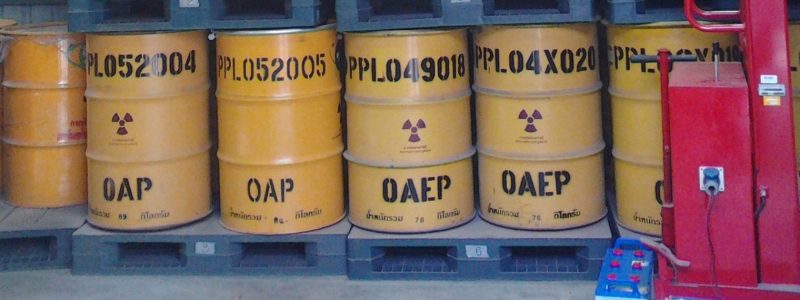
Should Wyoming become the nation’s dumping ground for radioactive waste? HB16, a bill being considered by state lawmakers, would open the door for a high-level nuclear waste storage facility within state boundaries. Storing this waste comes with risks to Wyoming’s environment, public health, and economy — which is why we’re tracking this bill closely.

Read on for recent updates and more information.

LATEST NEWS

READ MORE

Click below to read more information on nuclear waste storage and HB16.

TAKE ACTION

If you share our concerns about nuclear waste storage in Wyoming, we could use your help. Tell your legislators that you oppose nuclear dumps in Wyoming, and sign up here to be notified with alerts as this bill moves through the legislature.

Image: ShinRyu Forgers | Wikimedia Commons CC

Legislative Lowdown: Wyoming’s 68th Legislature begins this week!

And … we’re off! The 2025 Wyoming Legislature kicks off this week, ushering in a jam-packed two months of debate, amendments, and votes on hundreds of bills impacting all aspects of life in Wyoming.

Many of these bills concern our lands, waters, wildlife, and climate. We’ll be following the action closely and keeping you updated every step of the way. Read on for an overview of what to expect from WOC, details about our upcoming Beers & Bills event, and more.

Updates on Important Bills

We’re keeping a close eye on bills related to public lands transfer, nuclear waste storage, limited mining operations, and rooftop solar — and those are just the topics we already know of. In the next several weeks, many more bills in other areas will be introduced.

For the best and most up-to-date information about the bills we’re keeping an eye on, visit the bill tracker on WOC’s legislative webpage. There you’ll also find resources for contacting legislators and much more.

OPPORTUNITIES FOR ACTION

Our staff on the ground in Cheyenne (wildlife program manager Meghan Riley, energy and climate policy director John Burrows, and myself) will share frequent updates and opportunities for you to take action. Keep an eye on our emails, and sign up for text messages from WOC, which we’ll reserve for the most urgent issues.

When you see action alerts from WOC, be ready to add your voice to the conversation — it truly makes a difference!

YOU’RE INVITED: BEERS & BILLS

Join us January 30 at Black Tooth Brewing in Cheyenne (or via a Zoom livestream!) for a lively panel discussion with experts on the session’s most important topics.

If you’re curious about what to expect during the session or want to get more involved, this is an event not to miss. Doors open at 5 p.m., and the panel discussion (and livestream) begins at 5:30. This event is free and open to the public, but your RSVP will help us plan.

Know who your legislators are, and how to contact them?

Sending your legislators a message or calling them ahead of votes on important bills is the best way to participate during the session. Find your legislators’ contact info here. When you do reach out, keep your messages simple, tell the story behind your stance, and personalize the subject line of your message if sending by email.

That’s a wrap for now, but we’ll be in touch with more soon. If you have any questions in the meantime, please don’t hesitate to get in touch.

Want to stay in the loop on important legislation and opportunities to take action? Sign up for our legislative emails!

Beers & Bills is coming to a town near you!

The Wyoming Legislature’s 2023 session is over. What comes next?  

Join the Wyoming Outdoor Council staff to learn about key bills, review our Conservation Vote Report, and find out what’s to come for the legislature in the months ahead. 

All events begin at 7 p.m. and drinks will be provided.

Please come out to say hello to the WOC team, enjoy a cold beverage with your fellow members, and hear all the latest news from the legislature!

CASPER | MONDAY, APRIL 10

Frontier Brewing, 150 W. 2nd StREET
RSVP

LANDER | WEDNESDAY, MAY 3

Cowfish, 148 Main StREET
RSVP

BITES & BILLS

JACKSON | MONDAY, MAY 8

Hansen Hall, St. John’s Episcopal Church
170 Glenwood StREET
RSVP

CODY | THURSDAY, MAY 11

Trailhead Restaurant, 1326 Beck AveNUE
RSVP

ANOTHER SEASON IN THE RED DESERT

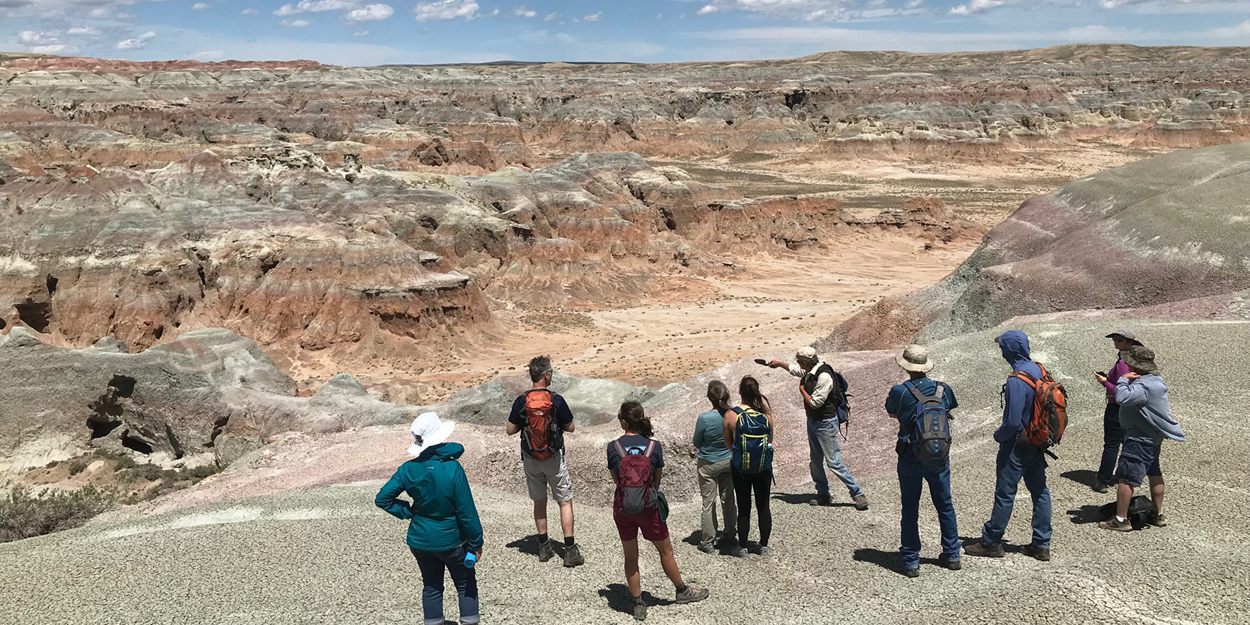
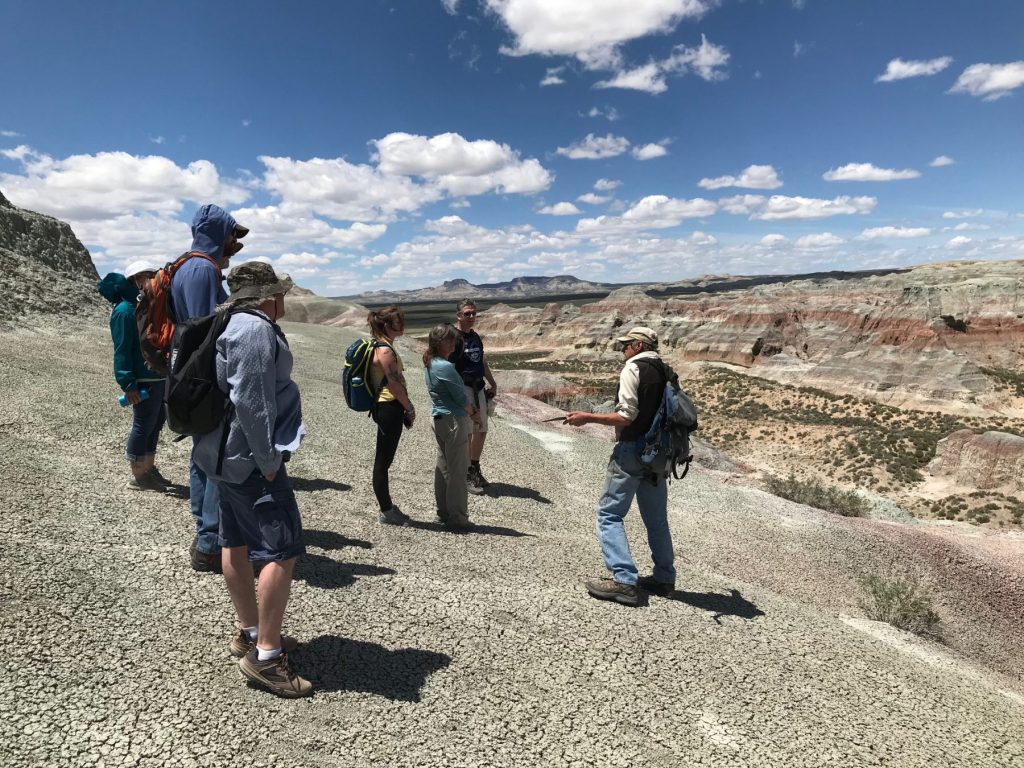
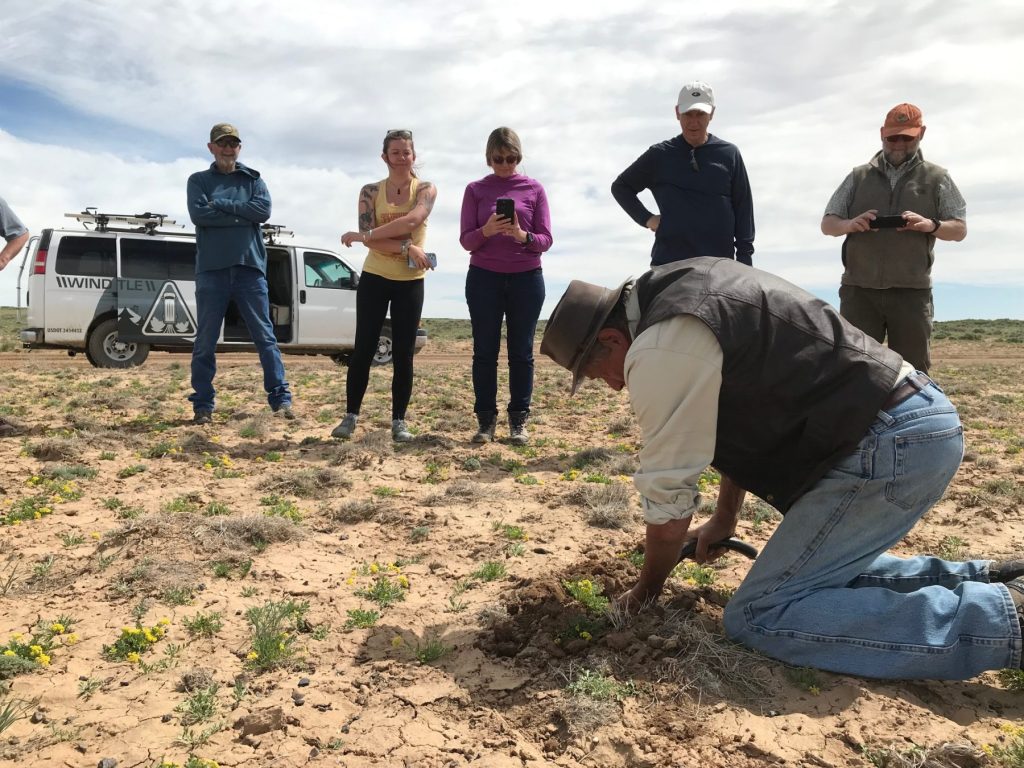
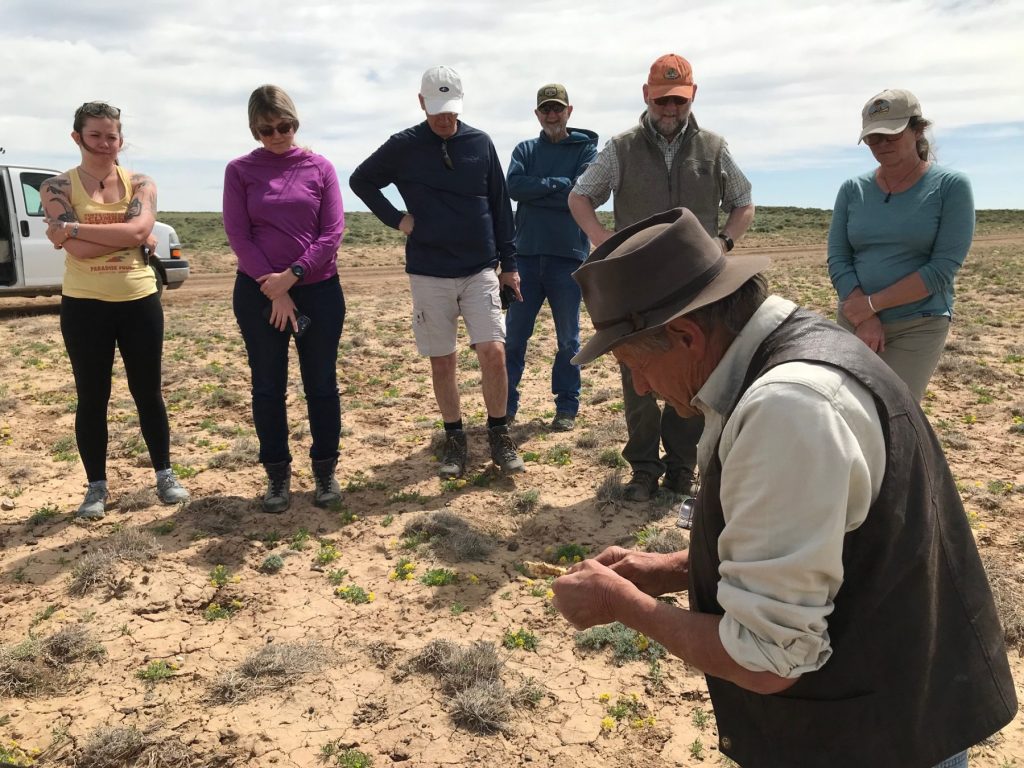
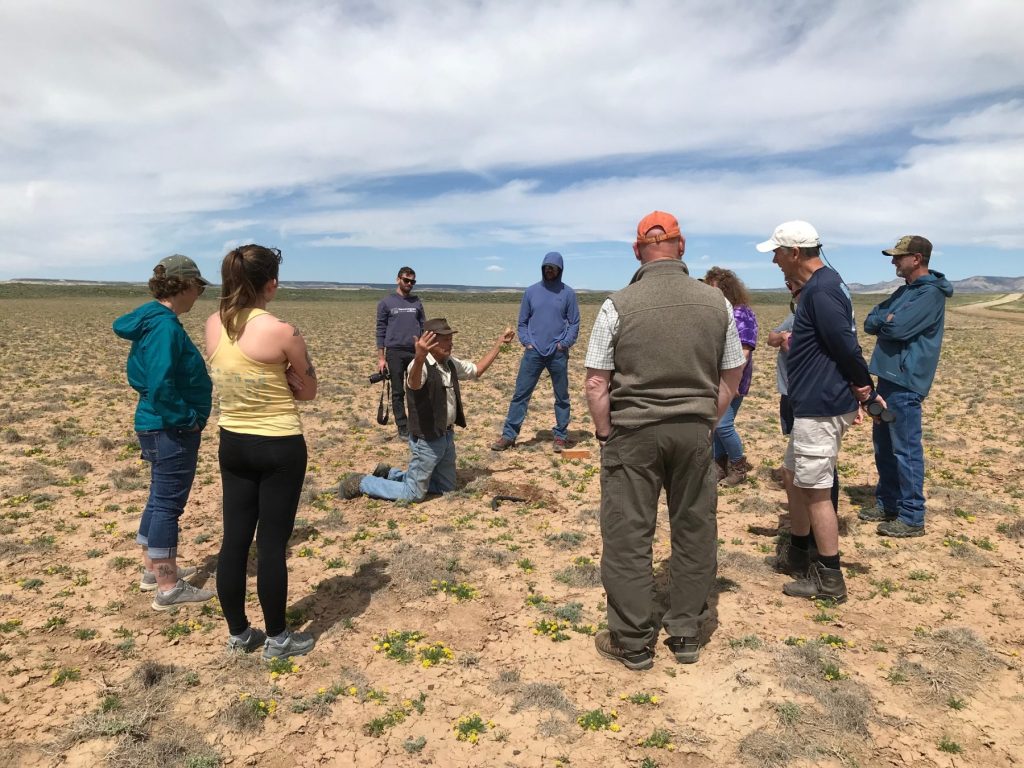
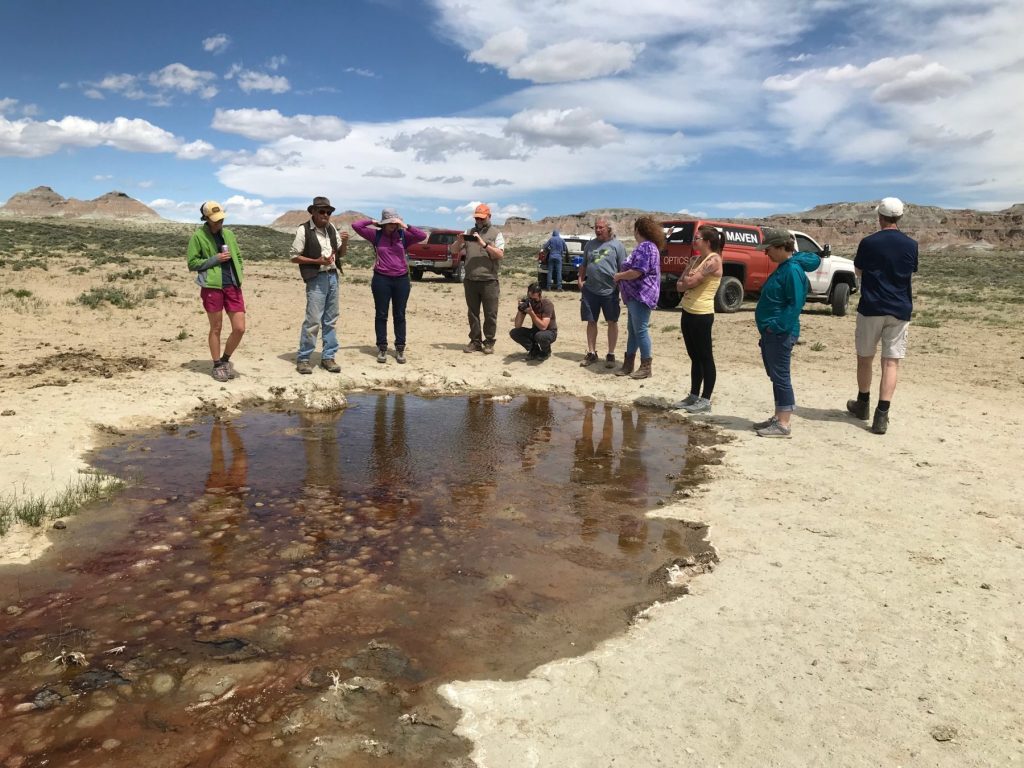
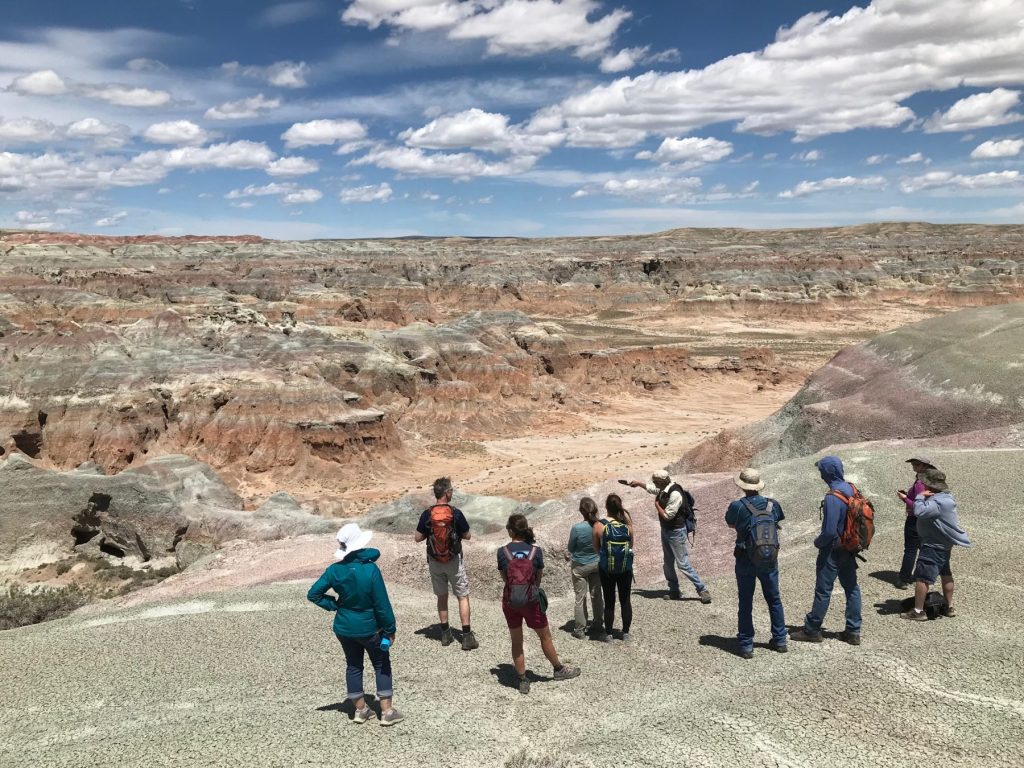
This spring, John Mionczynski a local ethnobotanist, biologist, and historian, accompanied Citizens for the Red Desert into the landscape to help educate and inform tour participants about the natural wonders and uses of the desert ecosystem. Above, you can see him pointing out the geological anomalies of the Great Divide Basin as tour participants take in the dramatic expanse of badlands throughout the Honeycomb Buttes Wilderness Study Area. Off in the distance, stand the Oregon Buttes, another WSA. Part of Mionczynski’s knowledge includes the abundance of edible and medicinal foods that grow throughout the Red Desert. Pictured above, he digs up biscuit root for tour participants and explains how this root vegetable was a staple for an Indigenous diet, often ground into flour and made into bread. Later on the tour, near a bubbling spring, Mionczynski explained how water is a precious resource. This spring, and others like it, are scattered across the desert and attract wildlife from miles around and support a thriving habitat.

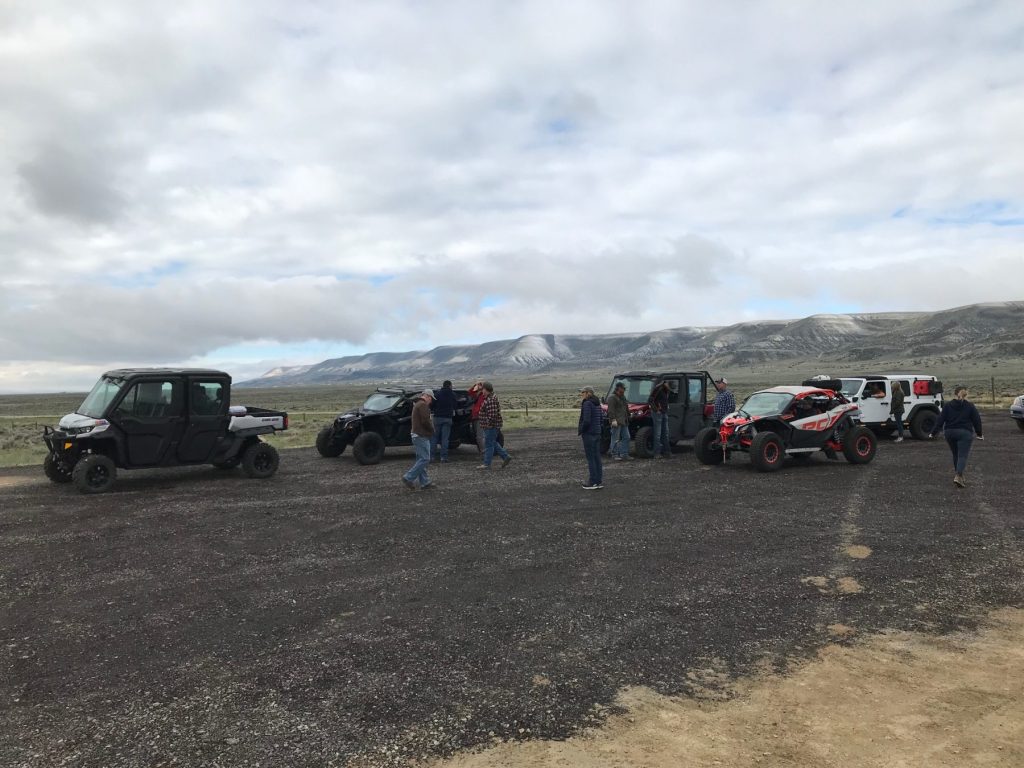
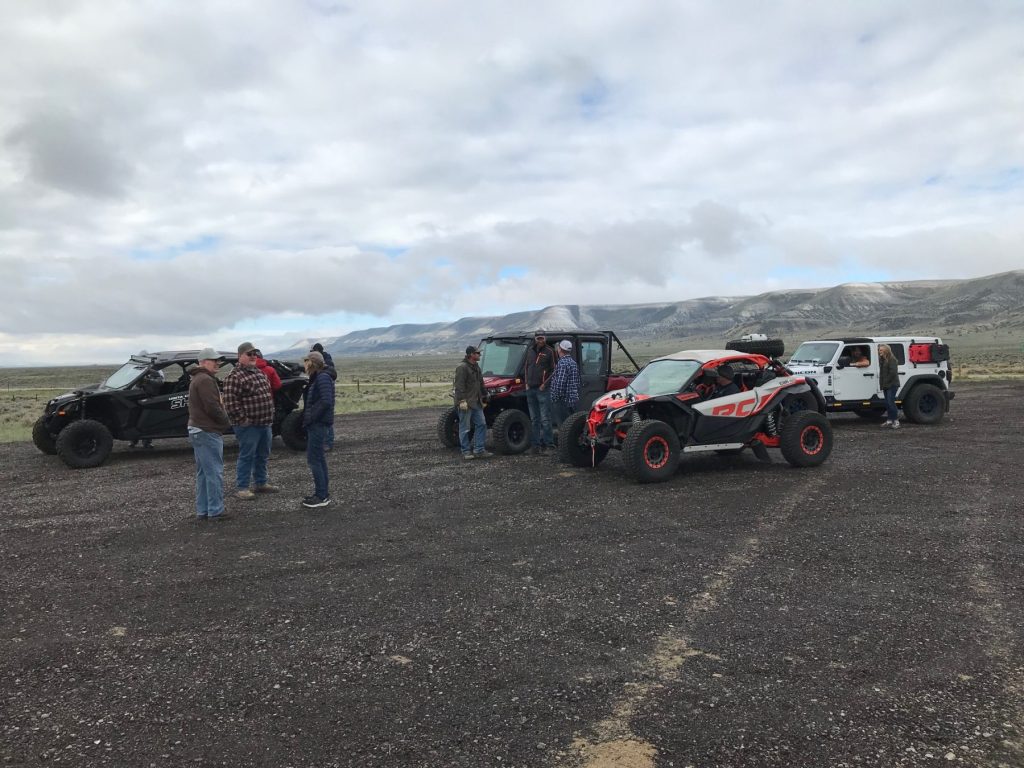
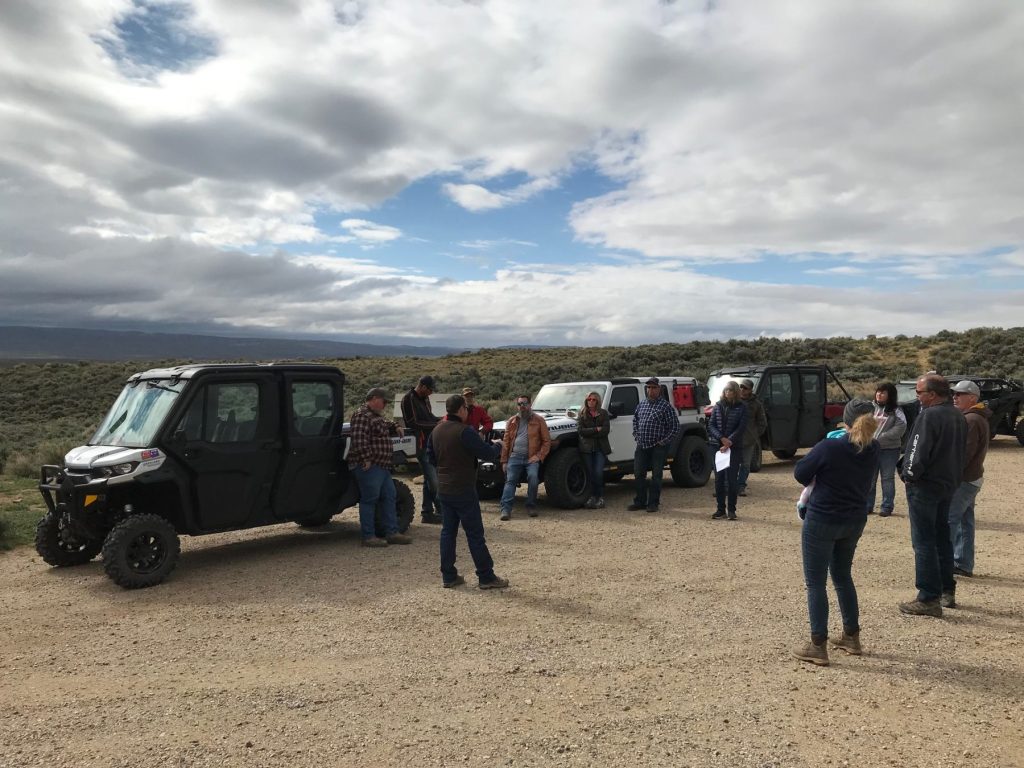
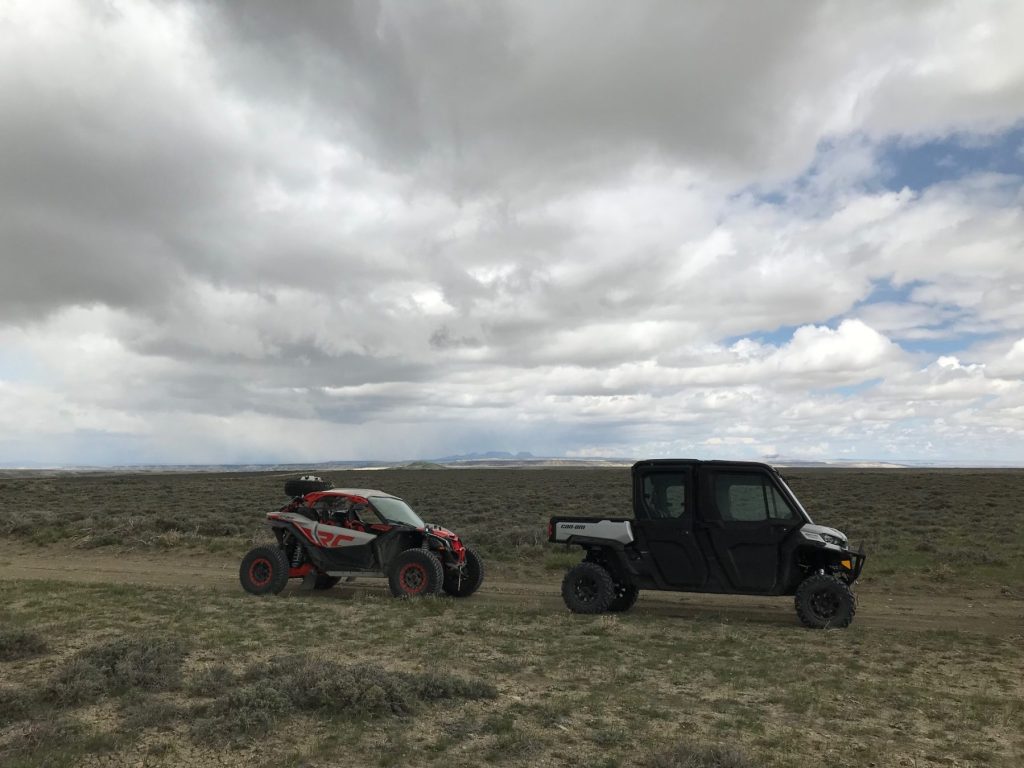
In late May, CfRD joined Southwest Wyoming Off-Road Trails on a tour to explore the motorized recreation potential of the area. This is one of many groups who add value to the desert and show that working together can simultaneously support the landscape, stimulate local economies, and empower our communities. Above, you can see the way these ORV enthusiasts spent their day in the desert, taking in the scenes near Oregon Buttes and the White Mountains.

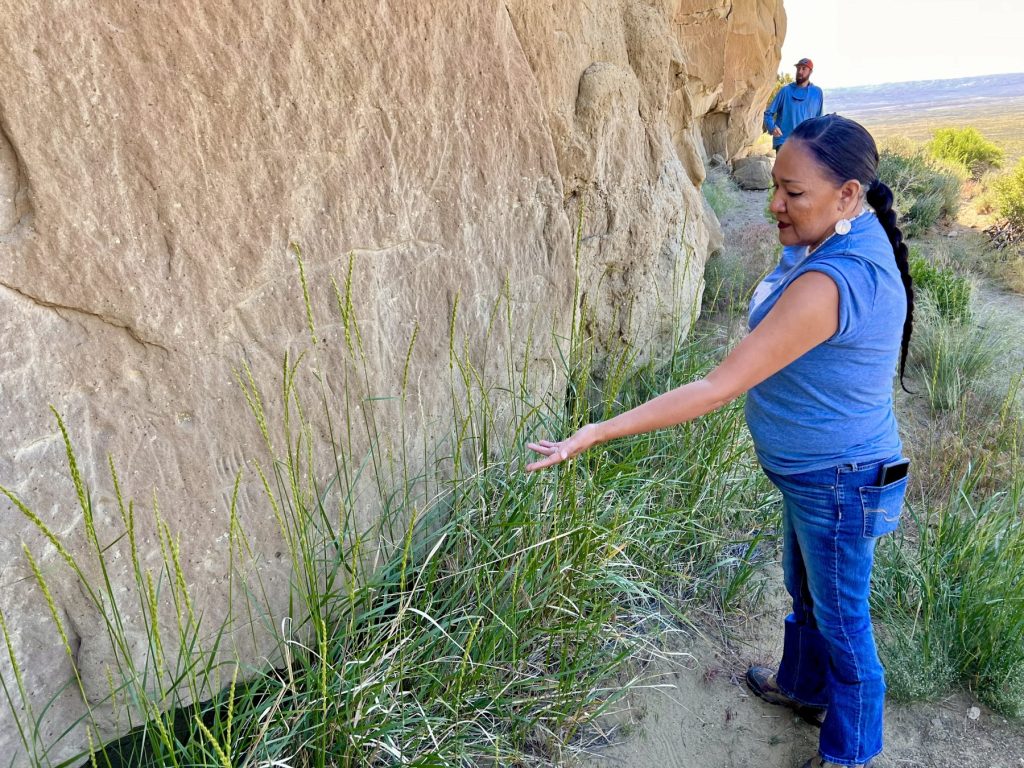
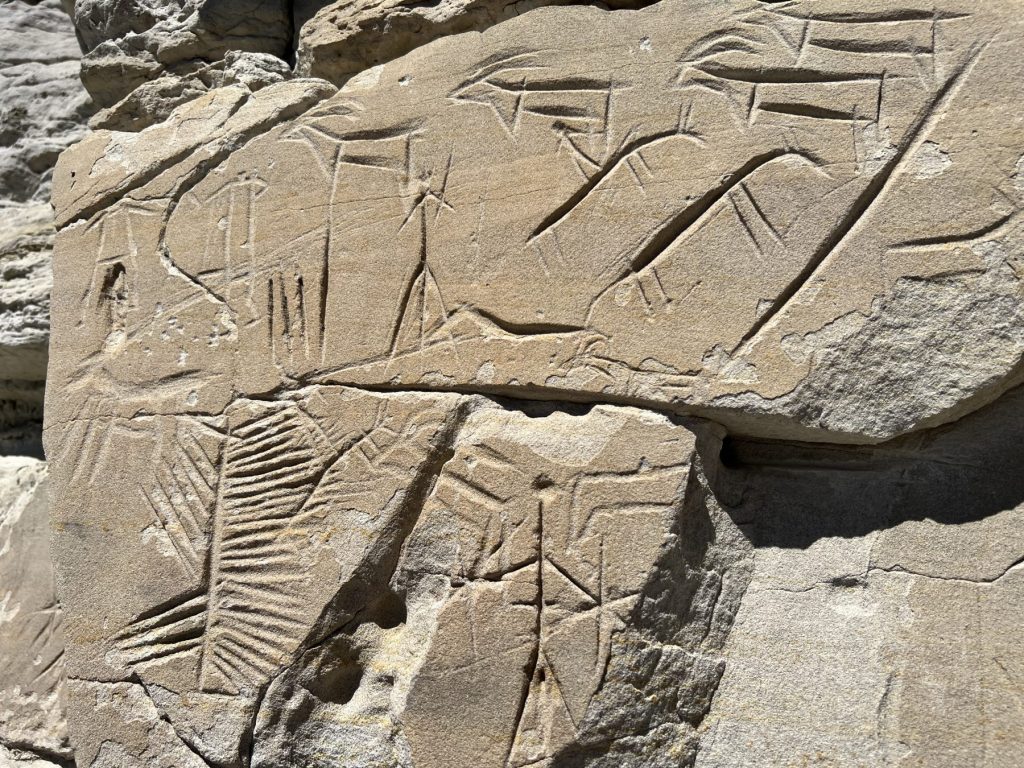
On June 28, members of Citizens for the Red Desert spent another day in the desert, visiting three sacred petroglyph sites and the Boars Tusk. Yufna Soldier Wolf, the Tribal advocacy coordinator for the Indigenous Land Alliance of Wyoming, is pictured above, discussing ways in which we can better manage and protect these sites, especially within the context of the forthcoming Bureau of Land Management’s Rock Springs Resource Management Plan.

Plug in to the People’s House

Each winter, members of the Wyoming Legislature gather in Cheyenne. The halls and side rooms of the (now newly-remodeled) Capitol buzz with conversations between legislators, lobbyists, staff, citizens, and journalists. Committee meetings are often standing room only, and people pack the public galleries above the House and Senate floors. 

Each winter, that is, but this one. Almost a year into the COVID-19 pandemic, Wyoming still has a challenge left to tackle: how to conduct the 66th Wyoming Legislature’s 2021 general session.

The reality that citizens will be able (or, at times, required) to attend the session virtually brings some complications. Some are unique, such as roadblocks to public participation for people without reliable high-speed internet. Other ongoing issues, like the challenging pace of tracking bills, will be magnified. But there are also new opportunities: Virtual legislative meetings have given citizens the opportunity to participate in a meaningful way without having to miss work or drive across the state. And the state is installing video equipment in the Capitol’s legislative meeting rooms, so we hope that the public will have improved access to important committee deliberations.

This year at the legislature, we at the Wyoming Outdoor Council will be continuing our 54-year history of advocacy for public lands, wildlife, clean air and water, and quality of life. And we invite you to do the same! No matter how different this legislative session is, one thing remains unchanged: Your voice matters. 

A HYBRID APPROACH TO THE SESSION

In early January, we finally learned details about the 2021 session. The legislature briefly gaveled in on January 12, just as Frontline was going to press. Committees met the week of January 18, and the full legislature will consider bills that pass out of those committees during an 8-day virtual session January 27 to February 5. Additional committee meetings will be held the week of February 22 and, if COVID-19 restrictions allow, the legislature will reconvene in person for the month of March.

There are only a handful of conservation bills that we know about right now. The most important is a bill sponsored by the Corporations Committee, SF 16, New Net Metering Systems. This bill would effectively kill the small-scale renewable energy sector in Wyoming, including rooftop solar. We will work to oppose this legislation and you can count on us to provide you with more details and action alerts on this topic in the coming weeks. We’re sure we’ll see more wildlife, energy, and environmental quality-related bills arise during the session and will keep you updated. 


Here’s what you should know about testifying to legislative committees online, based on how it worked during the interim. The good news is that, regardless of whether you’re at the Capitol or on your couch, you can be a voice for conservation in Wyoming by following the same basic approach.

SIGN UP. Committee meeting schedules are available at www.wyoleg.gov. To sign up, click the “Testify” button next to the scheduled meeting.  The button will take you to a form to register for that specific committee and meeting date. 

GET INSTRUCTIONS FROM LSO. You’ll receive an email from the Legislative Service Office with information about how to join the meeting. 

PREPARE YOUR TESTIMONY. Outdoor Council staff are always happy to offer advice if you aren’t sure where to start. More on this below!

LISTEN IN. When the meeting starts, you can join using the link provided by the LSO. You’ll enter the meeting as a webinar attendee.  It’s always good to show up early so that you are aware of the committee’s discussion prior to the public comment opportunity. When public comment is announced, you will have the option to indicate you wish to make a comment. And when it is your turn to speak, you will be able to turn your camera and audio on so that the committee can see and hear you. Make sure your Zoom profile displays your full name. 

BE STRATEGIC WITH SIGN UPS. If there’s a topic of interest to you that you may want to weigh in on, go ahead and sign up to testify. You can always decide not to comment. 

TIPS FOR TESTIFYING

GET COMFORTABLE WITH THE PROCESS. If you’re able, attend or listen to committee meetings before your bill is discussed to get a feel for the members and their priorities. Most importantly, sitting in will help you feel more confident when it’s your turn.

IT HELPS IF YOU CAN BRING SOMETHING NEW TO THE TABLE. Your case will be more compelling if you introduce a new perspective or find a new way to make a point instead of repeating comments that have already been made. Explain how you, or values important to you, will be impacted. 

HAVE AN ELEVATOR PITCH. You might be asked to limit your testimony if there are a large number of people speaking. Be prepared to make your point in under three minutes. 

IT’S OK TO BE NERVOUS! Citizen speakers have far more clout with legislators than paid lobbyists. These elected officials see the professionals often, but authentic citizen voices can be rare, so you’ll get special attention. Remember, however, to always be respectful in your demeanor and comments.

TIPS FOR WRITING AN EFFECTIVE EMAIL

Sending an email to your legislator only takes a minute or two and can be a meaningful way to connect. But make sure it’s personal: If a group provides you with a pre-written form email, ignore it and write your own message. 

During the interim, legislators may benefit from a detailed letter or email to help them understand your position on an issue. That’s not the case during the session — there simply aren’t enough hours in the day and legislators get hundreds of emails. To ensure your message gets read, keep it brief, straightforward, and respectful.

We suggest this three-sentence formula:

Introduce yourself and make a connection. (This is important to legislators who will read the first line and possibly discard the message if they think it’s a form email.)

State the position you want them to take (i.e. to oppose or support the legislation) and provide the title or subject of the bill as well as the bill number.

Explain why. Cite your personal experience or values. 

Example:
“Hi Rep. Jones, I live in Sheridan and recently installed solar panels on my shop. I’m writing to ask you to please vote no on SF 16, the net metering bill. This bill would unfairly raise my utility costs and punish hard-working people like me who have invested in rooftop solar.” 

YOU CAN MAKE A DIFFERENCE

Your legislators work long and hard on behalf of their constituents, but they can’t represent your values if they don’t hear from you. Whether you email your senator, testify to a committee, or offer to meet your representative for a cup of coffee once you’re able to do so safely, you can help give them the information and insight they need to be effective. 

If you haven’t already done so, please take a moment to register for Outdoor Council email alerts by visiting www.wyomingoutdoorcouncil.org/signup. Like always, we’ll send timely updates about the legislature and let you know when you need to take action on a particular bill. And please reach out to our staff if you’d like any help preparing testimony or have questions:

Steff Kessler
stephanie@wyomingoutdoorcouncil.org
Kristen Gunther
kristen@wyomingoutdoorcouncil.org

See you at the legislature!