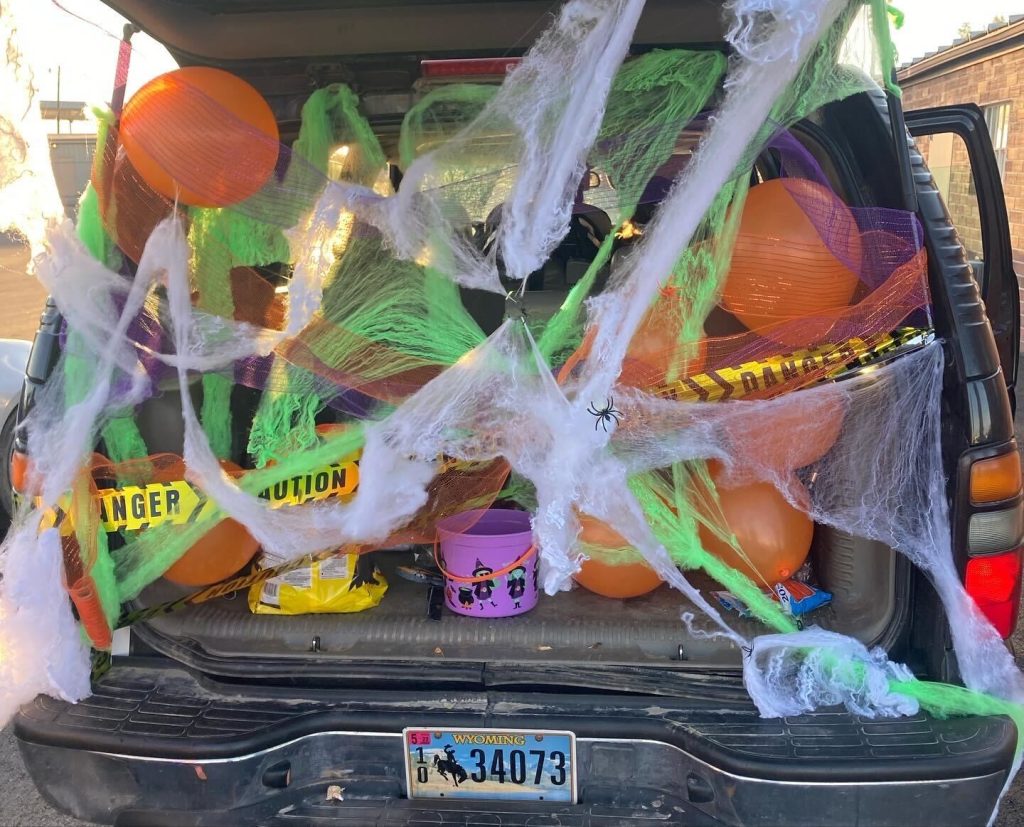
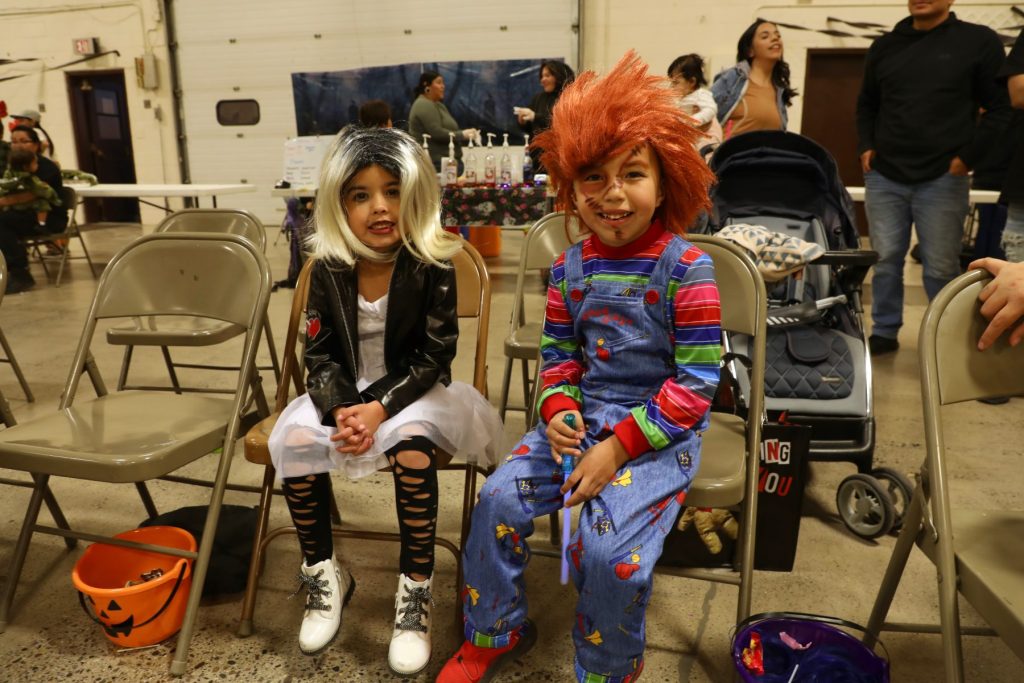
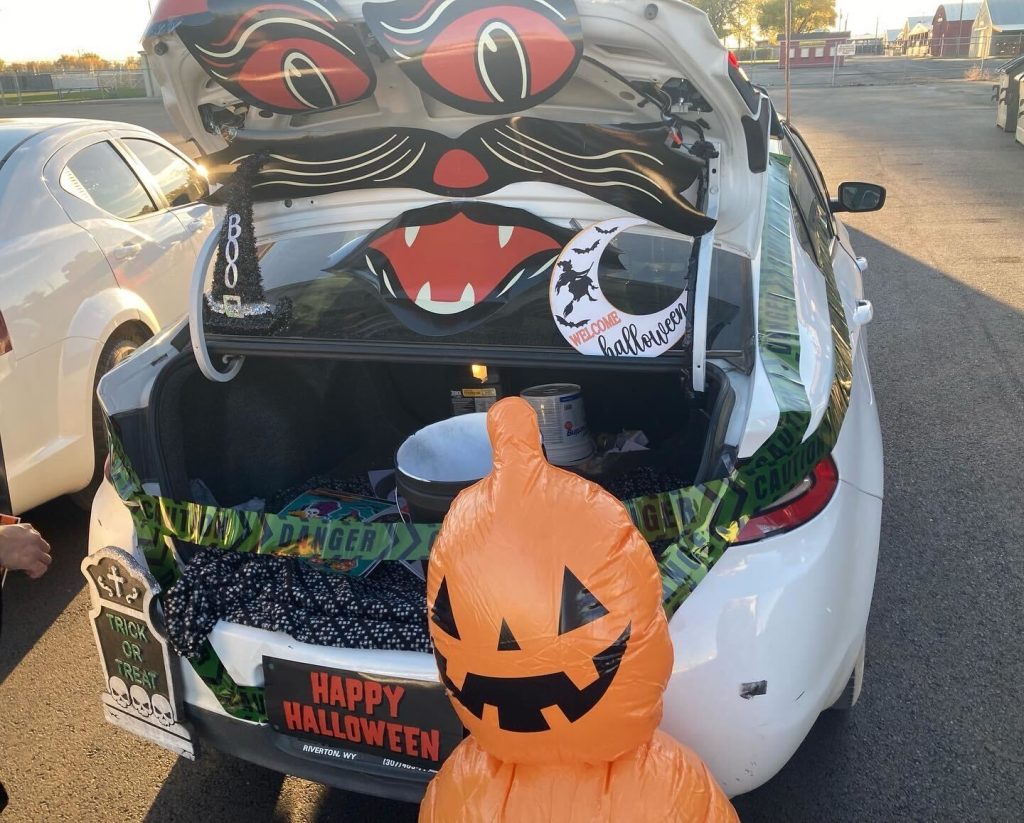
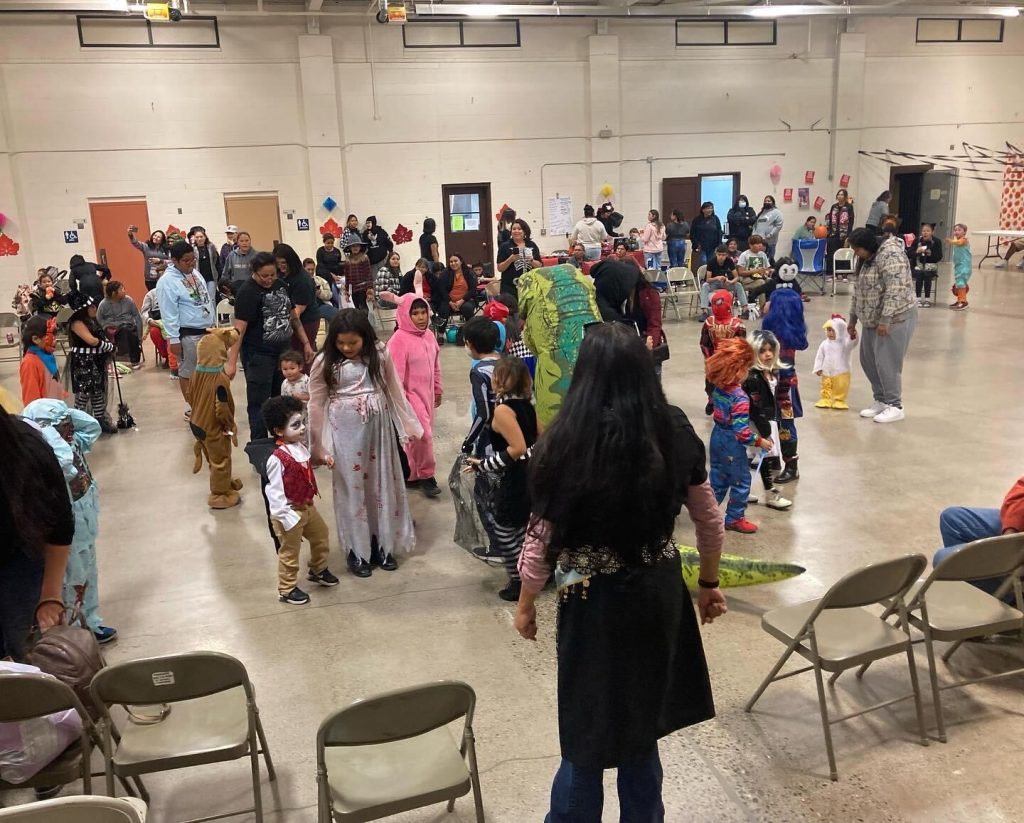
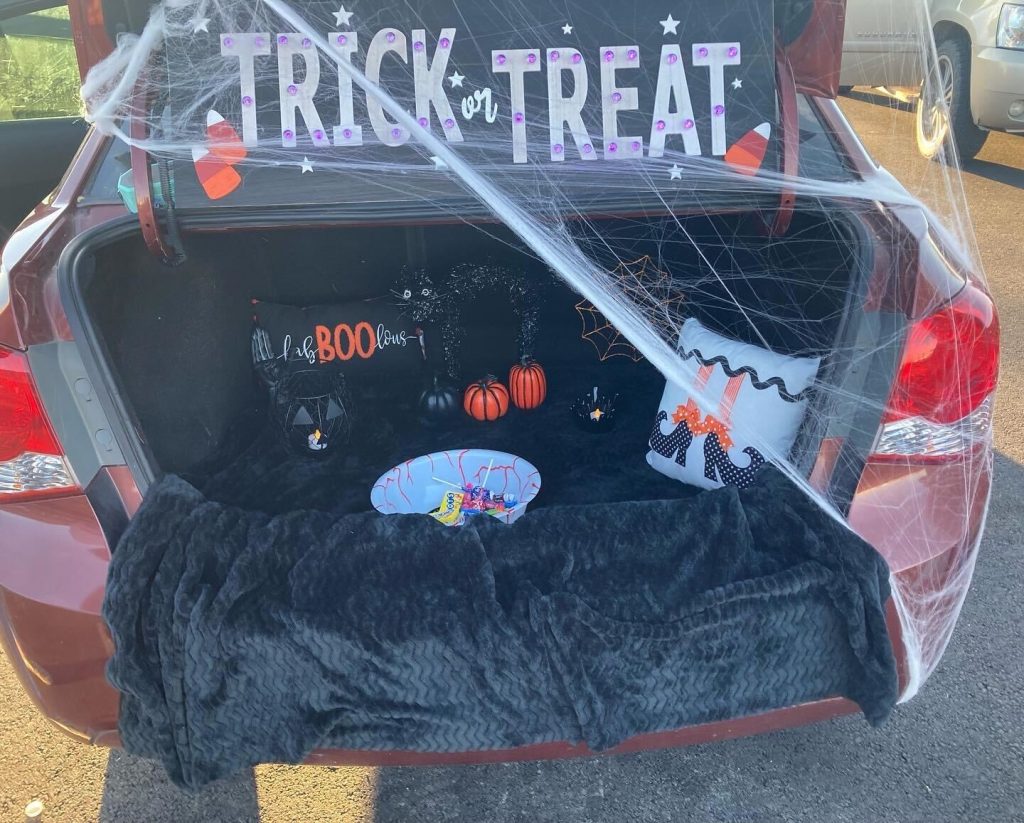
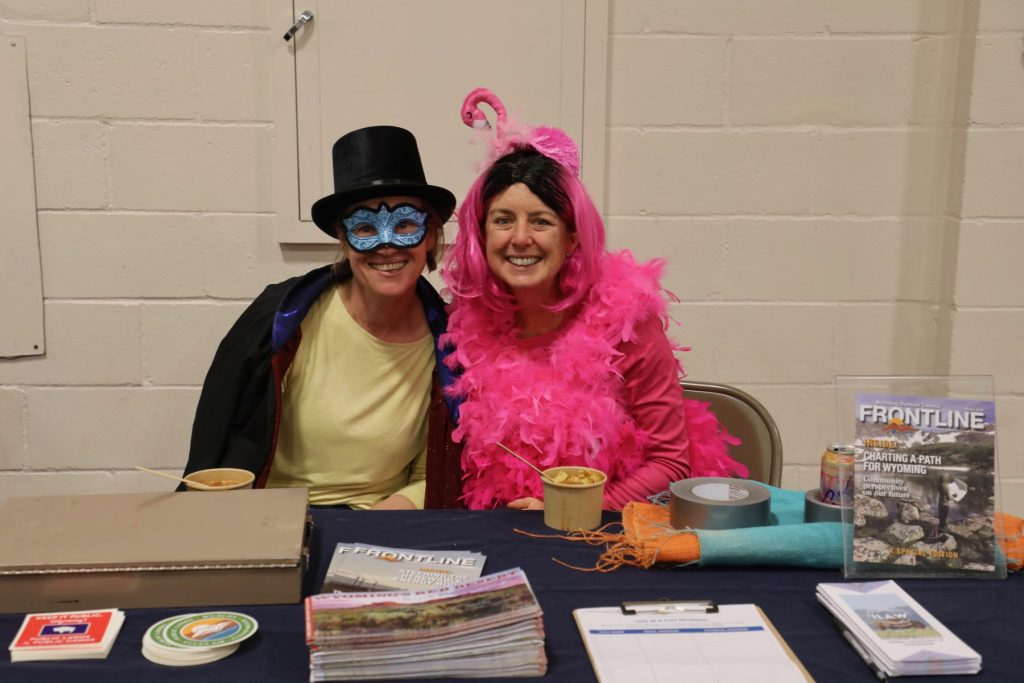
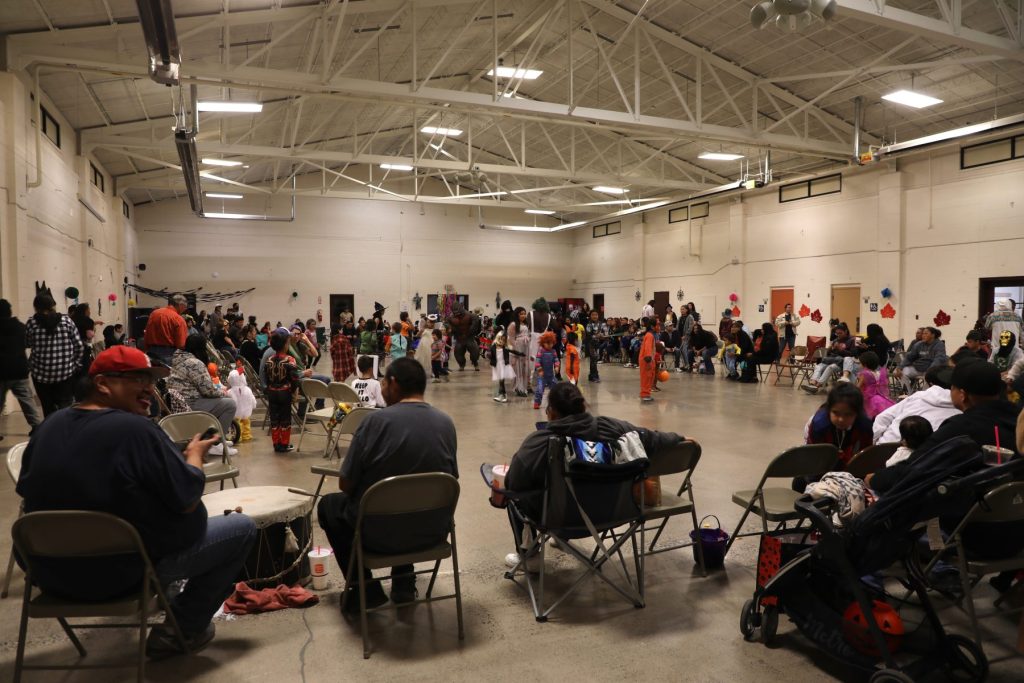
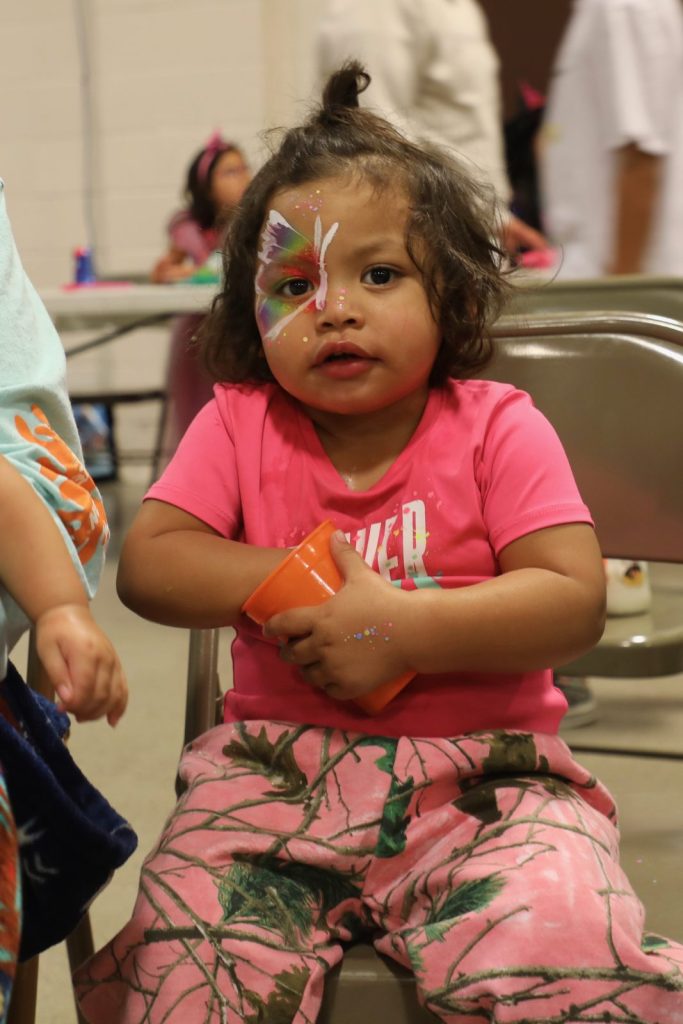
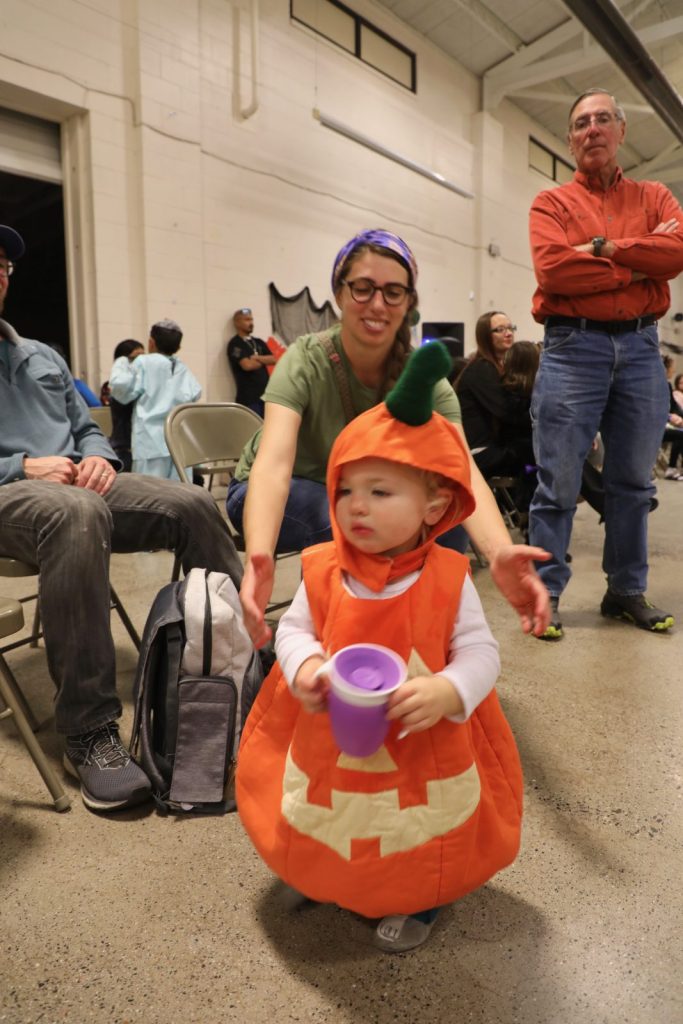
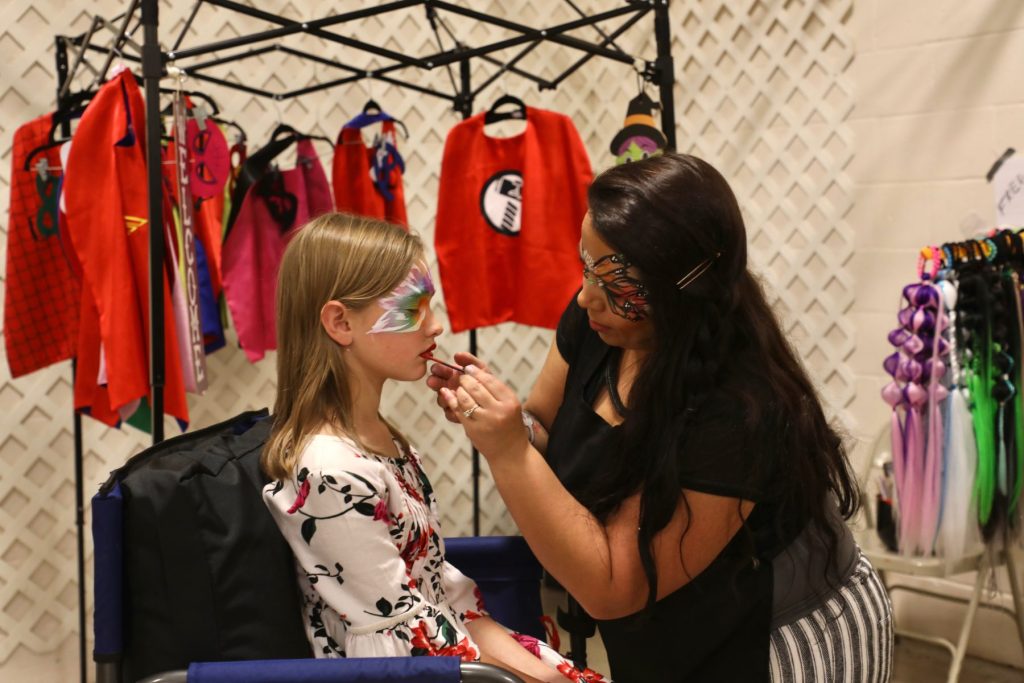
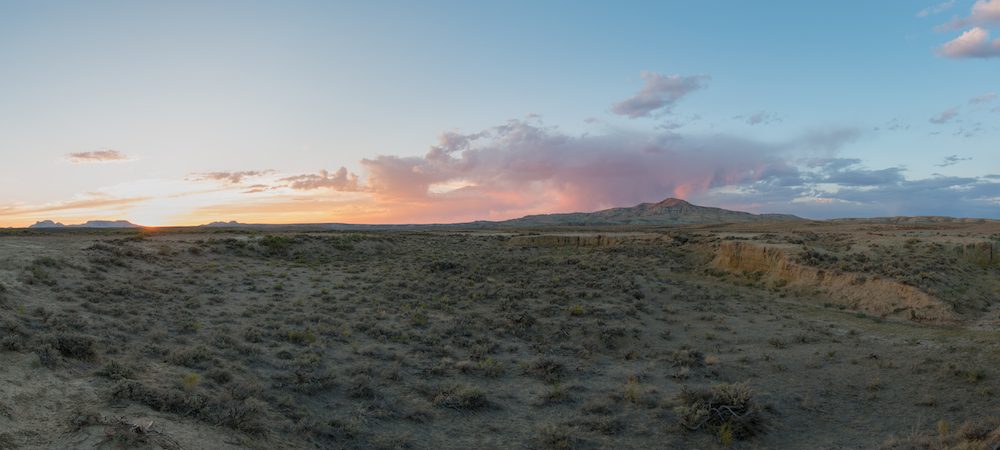
The Wyoming Outdoor Council was proud to help support a Halloween Masquerade hosted by the Indigenous Land Alliance of Wyoming on Oct. 14 in Riverton. Costumed kids came dressed to impress, the crowd strutted for cake walk prizes, and everyone had the chance to learn about how Tribal and community members can stay engaged in environmental issues on the Wind River Reservation and statewide.
The Wyoming Outdoor Council’s mission is to protect Wyoming’s environment and quality of life now and for future generations. I’ll admit that sometimes those two words, “future generations,” feel far off to me. They refer to my newly-born niece, yes, but also grandchildren and great grandchildren who I may never meet. Although none of us has a crystal ball to predict the future, we each have the present moment to make decisions that will have ripple effects into the future. That’s how we can all make an impact.
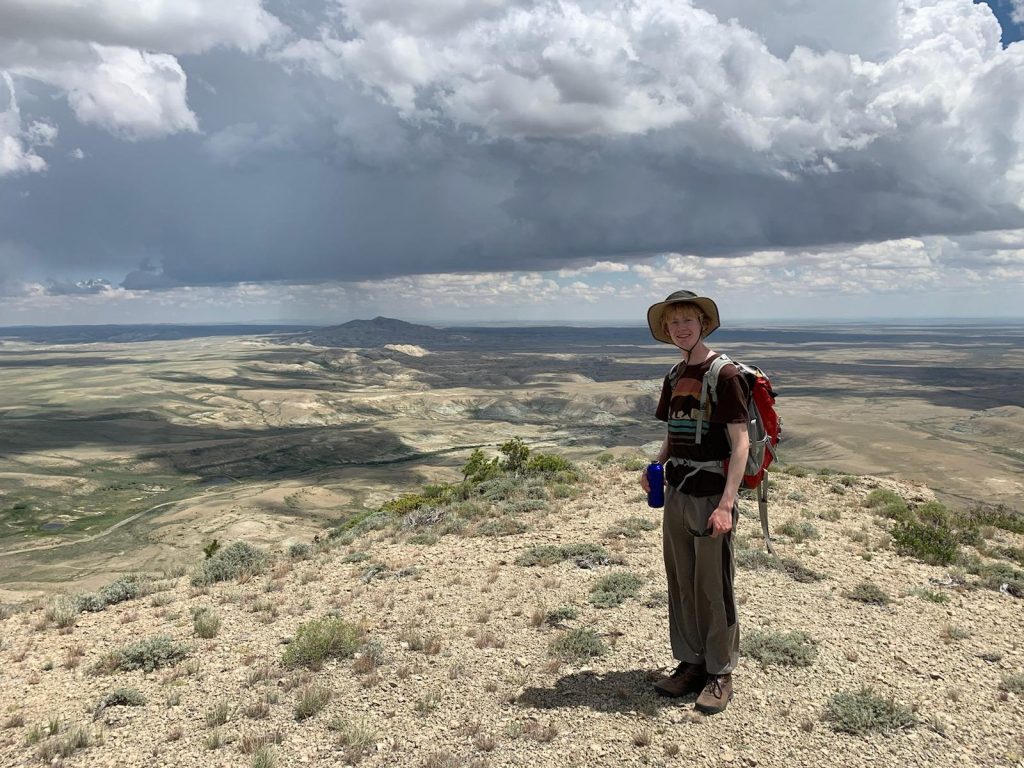
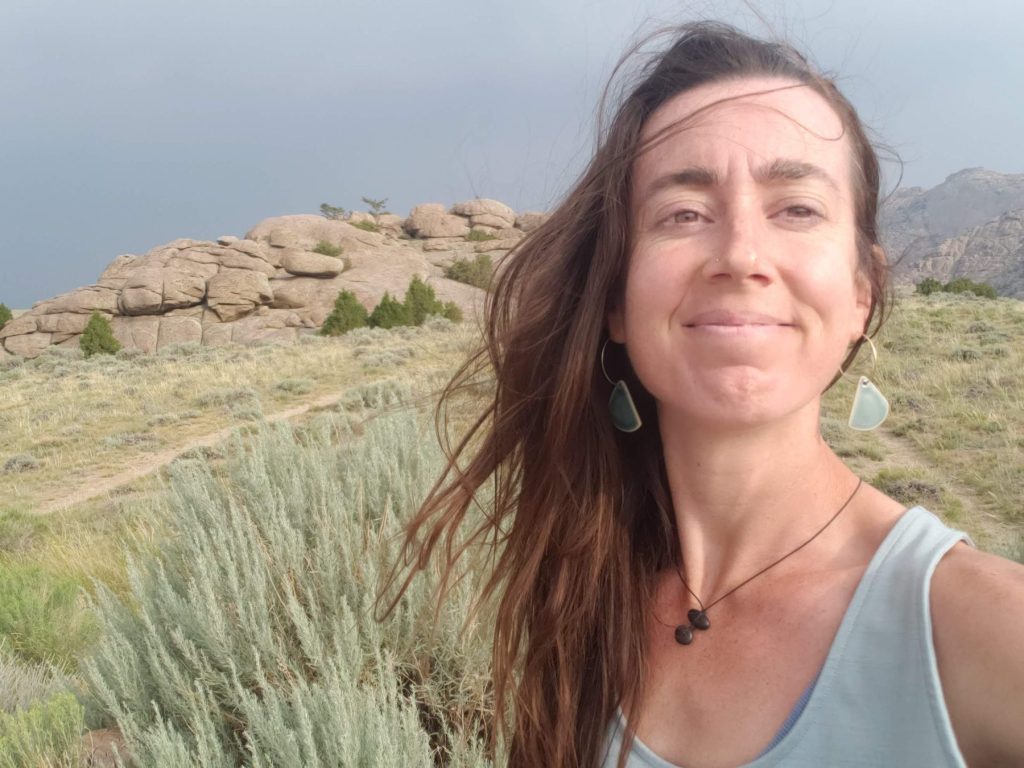
I recently talked to two Outdoor Council members who might be characterized as “the next generation.” One, Ted Rittle, is 18 years old and just enrolled at the University of Wyoming. The other, Nicole Gautier, is in her early thirties and works for UW as a research scientist. They both have chosen to donate to the Outdoor Council, and we wanted to find out why.
Their reasons are layered, but there was a similar thread of seeing their parents and others committed to a cause, be it conservation, or botany, or the outdoors, and supporting the things they loved. It was these real-life experiences that played a role in their own decisions to become Outdoor Council members. The actions they’re taking as young adults ensure a better future for Wyoming and for those who come after them.
THE FIRST YEAR COLLEGE STUDENT
Ted Rittle was born and raised in Laramie, Wyoming, where he currently lives and studies math education at UW. Talking to him, he has a prolific sense of place that I wish I had had when I was his age. He’s a self-taught fly fisherman who has developed his own favorite spots in the nearby mountains and rivers in just a few years. Although the rest of his family doesn’t fish as often, Rittle said his parents took him outdoors frequently growing up, where they would hike, camp, and Nordic ski. It was there that he learned to appreciate nature, especially wildlife.
When it came to acting on this value, Rittle also had his parents to look up to. His father, Keith, served on the Outdoor Council board for many years and both his parents talked about the importance of donating 10 percent of one’s income to causes you support.
“I came to really love the wildlife and want to support it,” he said. “There are certainly some special places in Wyoming that helped instill this in me — the Platte River Wilderness, for example. We’ve gone there since I was young. It’s so neat how much wildlife there was there. That really emphasized the importance of preserving the wilderness. I guess that helped me see the value of protected open spaces, too.”
Wanting to go along with this idea and only just having started working, Rittle joined the Outdoor Council in 2021 and became one of our youngest members. (You may remember a story we did last year about our youngest, Jules Goldwarg, who was just six.)
“Protecting wildlife in Wyoming’s open spaces is one of the reasons I chose to donate to the Outdoor Council,” he said of the decision. He said he’s seen WOC’s work on migration corridors and wildlife habitat, and donating felt in line with his values of promoting wildlife habitat.
“To me, it’s so neat to see other species out there, just going about their lives. I want to make sure they’re able to keep being here.”
He plans to donate every year, he says, as well as stay involved in other conservation efforts such as citizen science efforts led by the local branch of the Audubon Society and Rocky Mountain Amphibian Project.
THE YOUNG PROFESSIONAL
Nicole Gautier, too, had a childhood steeped in the outdoors. She grew up in Oregon, with parents who had botany backgrounds. She remembers many hikes where her parents would eagerly identify the plants along their route. She remembers, too, that they were active in their state’s Native Plant Society. What she remembers most was always being outside — a value that’s remained a throughline in her life.
Gautier moved to Wyoming six years ago as a student in the Teton Science Schools’ graduate program, which has a focus on place-based, natural science education. Prior to that, she had led outdoor education programs at a variety of small organizations in the West but had found that the science component was lacking. When she found the Science Schools’ program, and its partnership with the Haub School of Environment and Natural Resources at UW, she applied enthusiastically. After finishing the program, she was offered a position at the Haub School and, again, eagerly accepted.
“I wanted to stay in Wyoming and I was excited to stay in Laramie because of its access to public lands. Being an avid recreationist, climbing and running is how I like to spend my time. The variety of landscapes in Wyoming, from mountains to desert, still leaves me feeling that there’s so much to explore here,” she said.
Her first introduction to the Outdoor Council was through Run the Red in 2017, where she ran and the Outdoor Council was a sponsor. She had never been to the Red Desert before and was impressed — both by the rugged beauty of the area as well as the work of the conservation groups advocating its protection.
It was 2020 when she decided she wanted to give back and chose the Outdoor Council based on the good, recognizable work she saw, through our communications and events, as well as her own network of friends and colleagues.
“The projects [WOC is] working on are very tangible. I’ve been to the Red Desert and seen how special that place is,” she said. “That personal connection was part of it, too.”
She encourages other people to engage with their values in the same way.
“Consider the landscapes you’ve spent time in in Wyoming,” she said, “and then ask yourself, how might I give back?’ Giving $20 can be an easy way to feel a small part of this organization that has similar values,” she said.
THE RIPPLE EFFECT
I write this at that time of year when many of us get reflective — looking back and making plans, seeing where we can improve, and setting goals to do so. There are many ways to engage in this practice, and many involve asking thoughtful questions of yourself. It can be framed as simply as Gautier’s: “What do I have to give?” Perhaps your answer is 15 minutes to write an email to your local legislator, or $20 to become a member supporting a cause you value, or a weekend to do volunteer trail work.
Or the question could be as big as, “What’s the legacy I want to leave behind for future generations, and that I could start now?” The answer could be the same. You don’t know who is watching even your smallest action.
We commend and thank Rittle and Gautier for their support. Along with them, and countless others, we look forward to creating a strong, more connected community of members, this and every year.
Upcoming public meetings on chronic wasting disease in southeast Wyoming
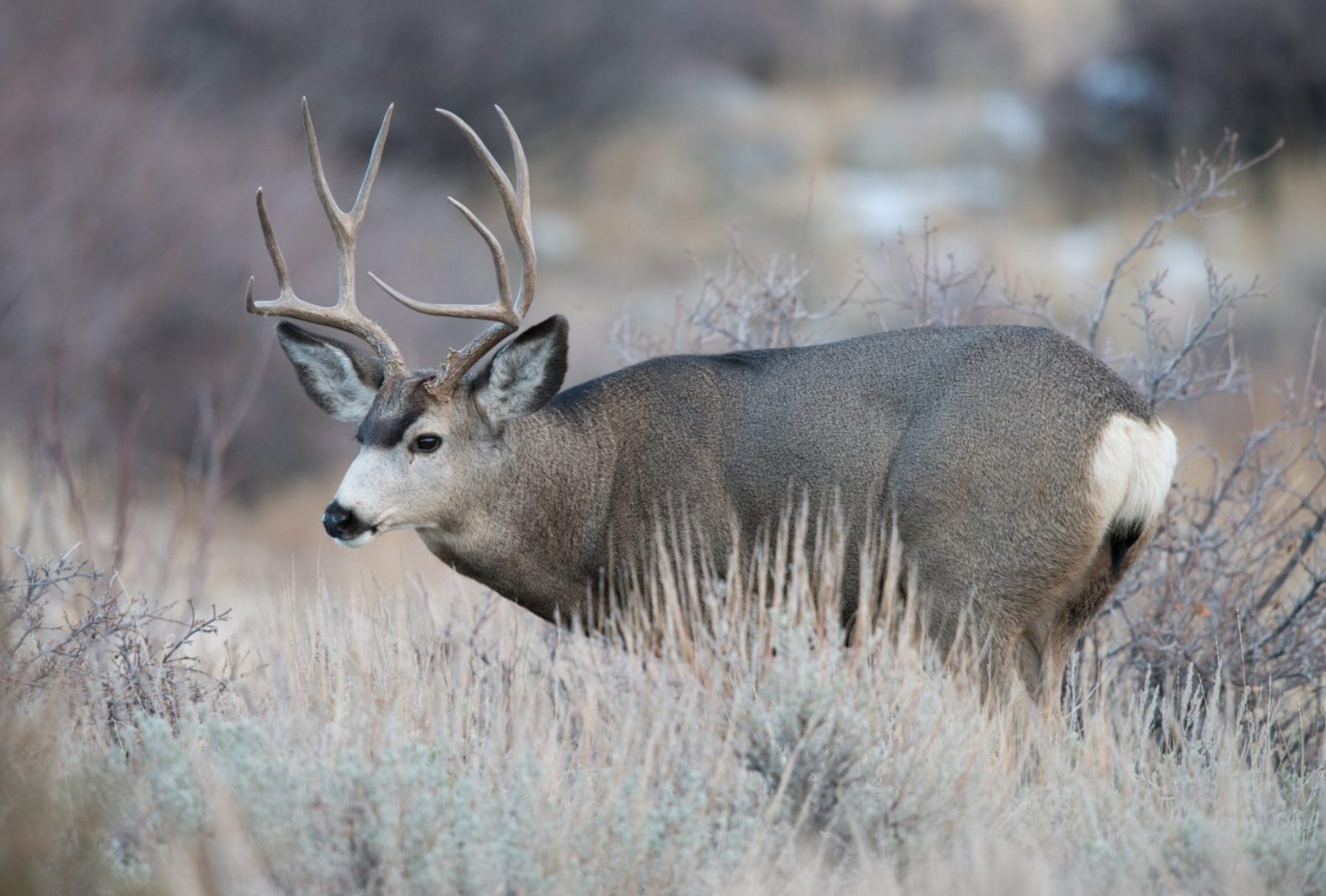
Since the first chronic wasting disease cases were identified in Wyoming in the mid-1980s, herds in the southeast portion of the state have borne the brunt of this always-fatal disease. The Laramie Mountains mule deer herd, which covers hunt areas 59, 60, and 64, has one of the highest rates of CWD in Wyoming. In recent years, sampling conducted by the Wyoming Game and Fish Department has found CWD in around 26 percent of hunter-harvested bucks.
In the coming weeks, state wildlife managers will be holding a series of local public meetings to discuss CWD impacts and management strategies for the Laramie Mountains herd. If you have a connection to deer in this part of the state — as a hunter, landowner, or wildlife lover — we strongly encourage you to come out and learn about what Game and Fish is doing to address herd health and the long-term outlook of our big game populations.
June 14, Wheatland, First State Bank Conference Center June 15, Laramie, WGFD regional office June 16, Cheyenne, WGFD state office June 28, Sybille Canyon, Tom Thorne/Beth Williams Wildlife Research Center June 29, Glendo, Town Hall
All meetings start at 6 pm. There is also an option to join the June 16 meeting via Zoom by registering at this link.
The Outdoor Council is a strong supporter of the Game and Fish Department’s CWD management plan, which was the result of a collaborative process that drew from the best available science on this challenging issue. Public input is key to developing and implementing management strategies that benefit wildlife while also meeting the needs of local communities: If you’re able, please take this opportunity to learn more about the science of CWD, ask questions, and share your thoughts.
If you can’t attend a meeting, you can email martin.hicks@wyo.gov with questions or comments. And if you have questions, would like some more resources or reading material, or are looking for ways to get involved, please reach out to kristen@wyomingoutdoorcouncil.org.
One day in mid-March, all of us on the Wyoming Outdoor Council staff found ourselves sitting at home. The safest thing to do was to stop all work-related travel and work remotely rather from the Lander office. Our office remained open a few hours a day for our administrative staff (thank you Maureen and Misti) to process mail, pay bills, and acknowledge new and renewing memberships, but things had changed.
Like you, we stayed awake at night worrying about the health of our vulnerable family members and friends. We tried to make sense of a rapidly evolving global pandemic while facing new, everyday challenges, like kids who could no longer go to school or how to safely get groceries. Overall, we did our best to stay positive.
Fortunately, most of our work continued from home offices, but other aspects — holding public events, attending legislative and state agency meetings, getting together with members and partners — evaporated overnight, and we were left wondering how to fill that gap. It quickly became apparent this situation wasn’t going to resolve itself anytime soon, and after just a few days of self-isolation our staff was eager to connect with one another and our members.
The first step was the easiest.
Even in normal times, the Outdoor Council offers a variety of trainings and resources for citizens who want to be better informed about conservation issues in Wyoming and empowered to participate in public processes that affect our public lands, wildlife, and environmental quality. We’d already planned to bring our citizen outreach and engagement work under a single banner, and took the opportunity this spring to launch FIELD: Fostering Impact through Environmental Leadership Development.
We dove in headfirst with a brand-new offering: a continuing series of video lessons for kids and teenagers that we dubbed Live from the FIELD. In each installment, students had the opportunity to learn from a Wyoming expert, then participate in a live Q&A session over Zoom. We heard about mule deer, big game migration, and wildlife ecology from University of Wyoming research scientists Samantha Dwinell and Rhiannon Jakopak, wildlife disease from Hank Edwards of Wyoming’s Wildlife Health Laboratory, the sagebrush ecosystem from Gina Clingerman of the Bureau of Land Management, and healthy streams from fly fishing guide and longtime member George Hunker. When we noticed many adults were tuning in as well, we took a bigger creative risk and put together a live, online variety show about the National Environmental Policy Act.
Was there an occasional technical difficulty? Of course. Was using a fireside monologue, game show-style trivia, and puppets to explain federal environmental law a bit corny? Maybe. But the response these events elicited showed us that people in Wyoming are eager to learn and excited to engage in new ways. If you missed the sessions, you can find recordings on our YouTube channel.
The next step was slightly more daunting.
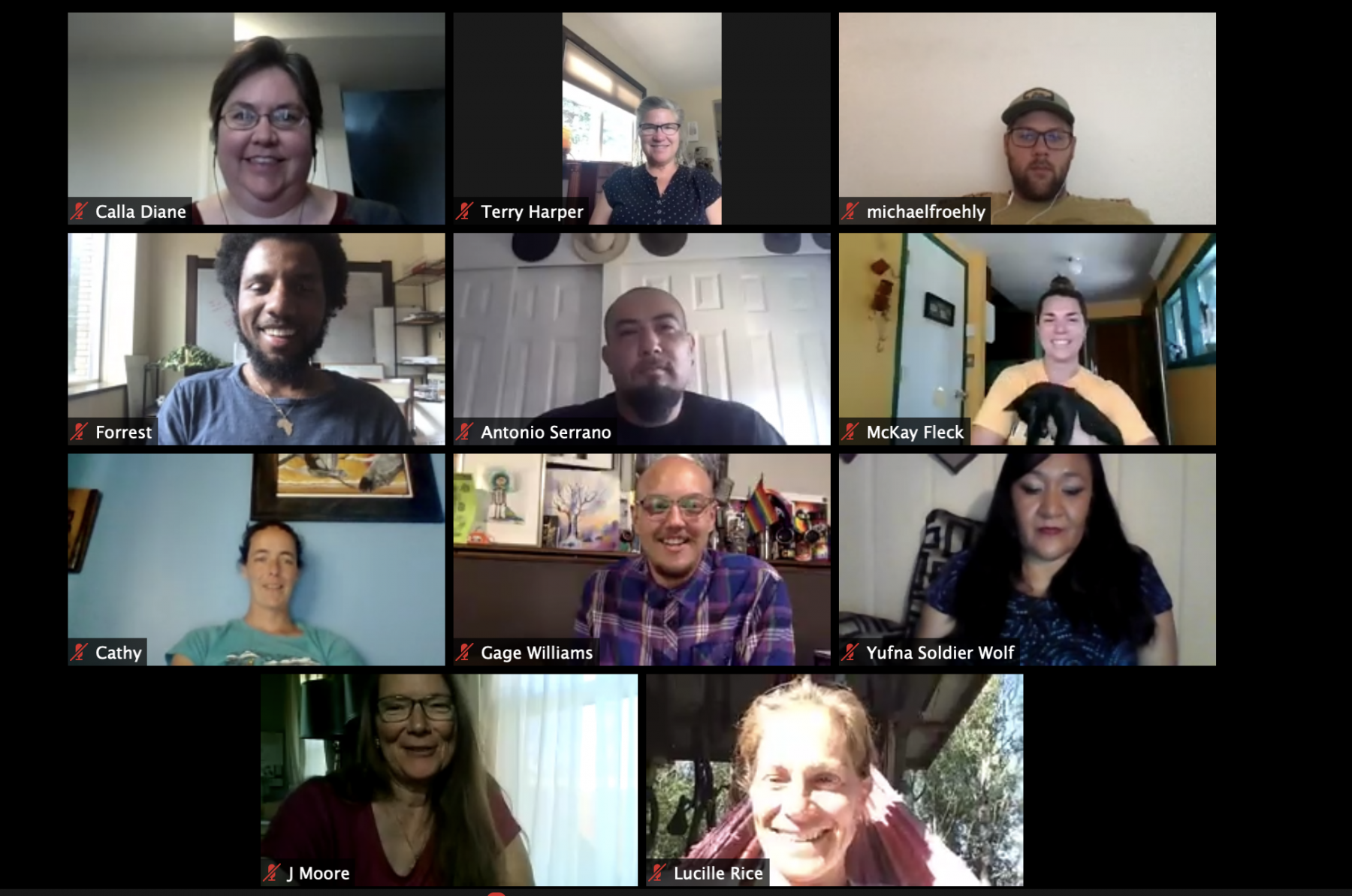
What was to become of our flagship conservation leadership program — the newly renamed FIELD Training — if we couldn’t assemble the eight weeks of class meetings in person? As was so often the case during the first months of the pandemic, taking the program online was the solution. This proved to be as much of a benefit as it was a hurdle. Nothing compares to a face-to-face conversation, but delving into remote learning allowed many people from around the state to participate. How else could a dozen passionate citizens from communities as far-flung as Lusk, St. Stephens, Alpine, and Wapiti all get together for twice-weekly workshops?
It was evident from the start that the value of engaging with people through these online platforms went far beyond a temporary workaround. It’s not a perfect solution, but in this big, sparsely populated, mostly rural state, it’s a step toward bringing us all a little closer together. It’s our intention that these online offerings will continue and expand.
The past months have shown us new opportunities to reach people in Wyoming who care about conservation, and strengthen the type of community building we’ve always done. We’re proud to have a resourceful and energetic staff that can adapt and react quickly. And none of this would be possible without the unwavering support of members like you who took a chance with us and tuned in, demonstrating your commitment to protect Wyoming’s environment and quality of life. Thank you. When the next unexpected challenge arises, as it inevitably will, we’ll rise up to meet it together.